Why the Natural History Museum, London Matters Today
Introduction: Why the Natural History Museum, London is important
The Natural History Museum, London is one of the United Kingdom’s most recognisable cultural institutions. Beyond its striking Romanesque façade, the museum plays a central role in public education, scientific research and cultural tourism. Its collections and exhibitions connect millions of visitors each year with the natural world, making it an important site for conversations about biodiversity, climate change and heritage.
Main body: Collections, architecture and public role
Historic building and location
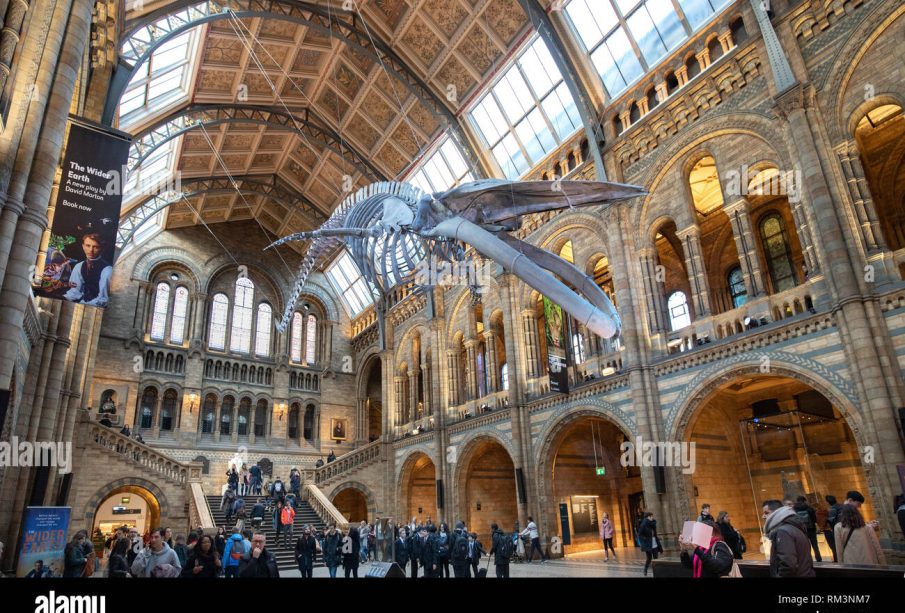
Located in South Kensington, the museum’s landmark building was designed by Alfred Waterhouse and opened in 1881. The terracotta-clad architecture is itself an object of interest, drawing visitors into a space that blends Victorian design with contemporary display techniques.
Collections and iconic displays
The institution houses one of the world’s largest natural history collections, encompassing tens of millions of specimens across botany, entomology, mineralogy, palaeontology and zoology. Permanent displays and touring exhibitions offer encounters with well-known exhibits — from dinosaur skeletons to the large blue whale skeleton now suspended in Hintze Hall — while research collections continue to support scientific study behind the scenes.
Research, education and public engagement
The museum maintains an active research programme, with staff and visiting scientists using collections to investigate taxonomy, conservation and environmental change. Public engagement remains a priority: free admission to the permanent displays encourages access, while learning programmes, family activities and digital resources extend the museum’s reach to schools and remote audiences.
Modern challenges and initiatives
Like many cultural organisations, the museum is balancing conservation of historic spaces with the need for modern visitor facilities and sustainability measures. Recent years have seen increased emphasis on digital displays, touring exhibitions and partnerships to broaden access and address contemporary environmental themes.
Conclusion: Significance and outlook for readers
The Natural History Museum, London continues to serve as both a popular visitor destination and a centre for scientific knowledge. For readers, the museum offers accessible opportunities to learn about nature and the planet’s changing systems, while its research outputs inform conservation policy and public understanding. As it adapts to new visitor expectations and environmental priorities, the museum is likely to remain a vital resource for education and for the UK’s cultural landscape.