Marcus Rashford: Footballing Form and Social Campaigning
Introduction
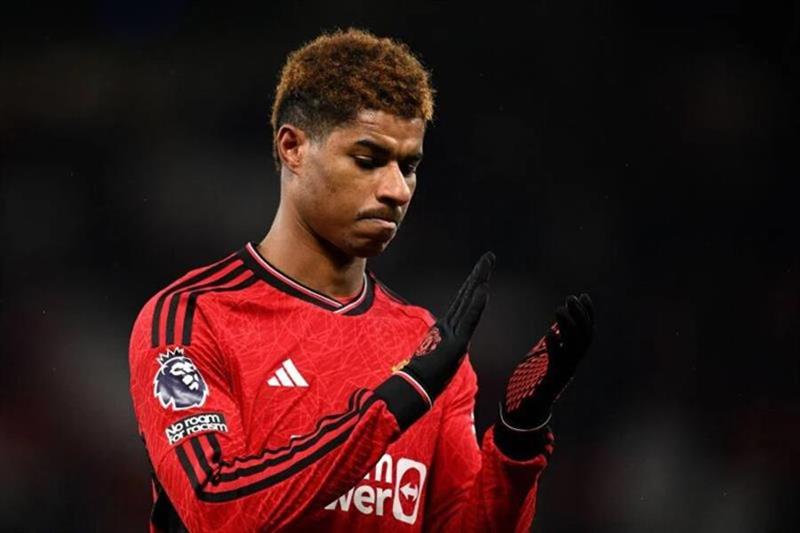
Marcus Rashford remains one of the most prominent figures in English football and public life. As a Manchester United forward and a leading campaigner on child food poverty and literacy, Rashford’s activities attract attention both on the pitch and in policy debates. His dual role—elite athlete and social advocate—means developments relating to him are relevant for sports fans, policymakers and communities across the UK.
Main developments
Football
Marcus Rashford progressed through Manchester United’s academy after joining the club as a child and made his senior breakthrough in 2016. Known for his pace, direct running and finishing, he has been a regular option for both his club and the England national team. On the field, Rashford’s performances are followed for their immediate impact on match results and their longer-term influence on his career trajectory, including selection for domestic and international competitions.
Campaigning and public work
Off the pitch, Marcus Rashford has led high-profile campaigns on child food poverty and access to education. He has used his platform to press for policy changes and to partner with charities and community organisations to support vulnerable families. His campaigning prompted national debate and engagement from government, business and civil society, earning him formal recognition for his work. Rashford’s initiatives have focused on practical measures—securing short-term support for families and promoting long-term improvement in children’s access to food and educational resources.
Reception and impact
Rashford’s combined profile as a footballer and campaigner has made him a polarising figure for some, but widely admired by many for using sporting fame to highlight social issues. His efforts have inspired other athletes and public figures to engage on social causes, and have pushed organisations to consider corporate and civic responses to child poverty and literacy gaps.
Conclusion
Marcus Rashford’s continuing influence will be measured both by his form on the pitch and by the lasting effects of his social campaigns. For readers, his example underlines how high-profile sportspeople can shape public conversation and policy. Looking ahead, Rashford is likely to remain a central figure in debates about sport, social responsibility and youth welfare in the UK.





