Recognising symptoms of meningitis b: Signs and actions
Introduction
Meningitis caused by Neisseria meningitidis group B (meningitis B) remains a public‑health concern because it can progress very rapidly and affects infants, children and young adults. Clear awareness of the symptoms of meningitis b is important: early recognition can lead to faster treatment and better outcomes. This article summarises the key signs to watch for, how they differ by age, and why prompt medical attention and vaccination matter.
Main body
Common symptoms in older children and adults
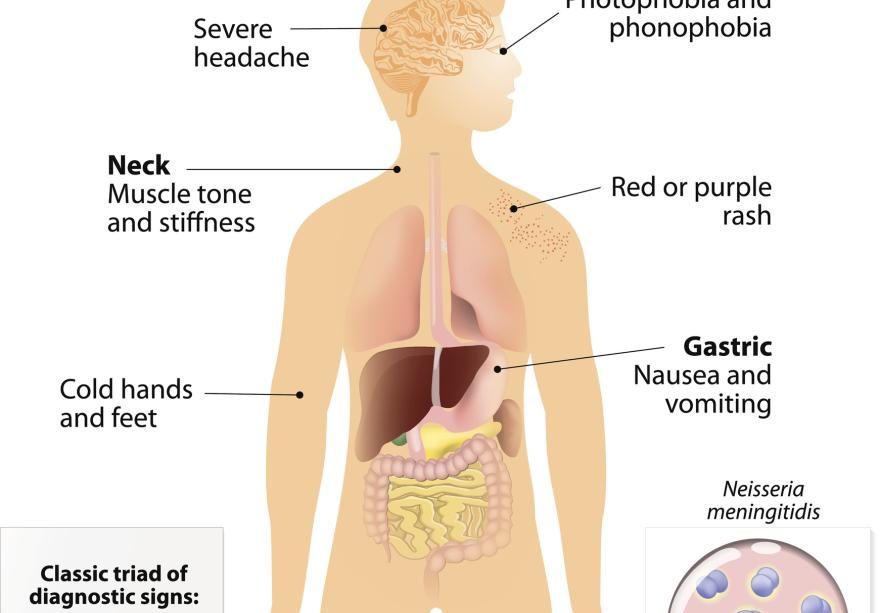
In older children and adults, meningitis B often begins with sudden onset of fever and severe headache. A stiff neck (inability to flex the neck forward easily) is a classic sign. Other frequent symptoms include sensitivity to light (photophobia), nausea or vomiting, confusion or difficulty concentrating, drowsiness and, in some cases, seizures. Symptoms can develop over a few hours to a few days.
Signs in babies and infants
Infants and very young children may show different or less specific signs. Look for fever or unusually low temperature, irritability, persistent crying, poor feeding, vomiting, sleepiness or difficulty waking, and a bulging fontanelle (soft spot on the head). Rapid breathing and limpness can also occur.
When a rash signals sepsis
Meningococcal septicaemia (bloodstream infection) can accompany or precede meningitis. A purpuric or petechial rash — small red or purple spots that do not fade when pressed — is a medical emergency. Not all cases present with a rash, so absence of one does not rule out serious illness.
Diagnosis, treatment and prevention
Diagnosis is made in hospital using clinical assessment and laboratory tests; treatment involves urgent intravenous antibiotics and supportive care. Preventive measures include vaccination: MenB vaccines are used in many countries and have been incorporated into routine infant schedules in the UK. Close contacts of confirmed cases may be offered antibiotics to reduce risk.
Conclusion
Recognising the symptoms of meningitis b and acting quickly can save lives. Parents and caregivers should be alert to sudden fever, severe headache, neck stiffness, changes in behaviour or feeding, and any non‑blanching rash. Continued vaccination and public awareness remain key to reducing the impact of meningitis B in the community.