South Pars Gas Field: Strategic Importance and Development Outlook
Introduction: Why the South Pars gas field matters
The South Pars gas field is one of the world’s largest gas condensate reservoirs and a cornerstone of Iran’s energy economy. Its output fuels domestic power generation, provides feedstock for the petrochemical industry and underpins export revenues. Developments at South Pars therefore have wider implications for regional energy markets, industrial activity in Iran and investor sentiment toward the country’s upstream sector.
Main developments and current context
Structure and production model
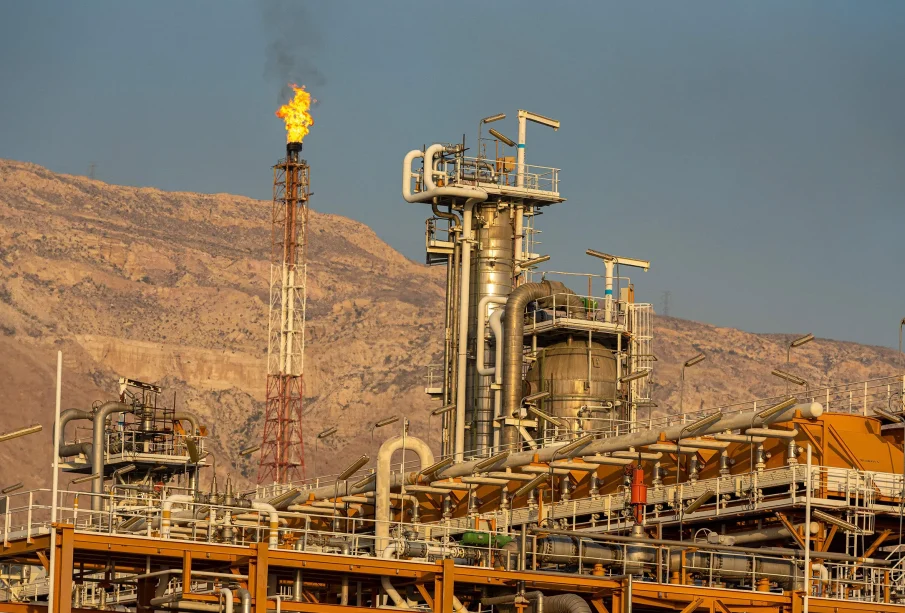
South Pars is developed in multiple phases, each designed to bring new offshore platforms and onshore processing capacity online. The phased approach has allowed Iran to ramp up gas production and petrochemical feedstock supply progressively. Production from the field supports large domestic consumers—power plants and refineries—as well as petrochemical complexes that add value before export.
Investment, partners and constraints
Development has been shaped by a mix of national companies and international contractors. Over time, access to foreign capital and technology has been affected by international sanctions and global political dynamics. In response, Iran has pursued a variety of arrangements with overseas partners and domestic contractors to maintain and expand capacity. Industry observers note that access to modern equipment and specialised services remains a key determinant of future output growth.
Economic and regional significance
Beyond direct energy supply, South Pars underwrites employment, industrial competitiveness and export earnings. Because the field is contiguous with Qatar’s North Field, developments on either side of the maritime boundary influence regional gas dynamics and long‑term market balances, particularly for LNG and petrochemical feedstock.
Conclusion: Outlook and significance for readers
Looking ahead, South Pars will remain central to Iran’s energy strategy. Continued phase development and improved access to investment and technology could raise production and strengthen the petrochemical sector, while persistent geopolitical and sanction-related constraints could limit expansion. For readers, the field’s trajectory is important: changes in output affect domestic energy prices, industrial activity and regional gas supply dynamics. Monitoring contracts, development progress and policy shifts will be key to assessing how South Pars shapes both Iran’s economy and wider regional energy markets.





