Understanding the Champions League Schedule: Format and Fan Planning
Introduction: Why the Champions League schedule matters
The Champions League schedule shapes the European club football season and affects clubs, broadcasters and supporters across the continent. Knowing the competition timetable helps fans plan travel, watch live matches and follow their teams through group and knockout phases. Understanding the structure also clarifies how fixtures are organised and why certain matchdays fall on midweek evenings.
Main body: Format and typical timing
Competition calendar and structure
The UEFA Champions League generally runs across the European club season. The competition is organised in distinct phases: qualification rounds (for some clubs), a group stage and a knockout phase that culminates in a single-match final at a neutral venue. The group stage usually features six matchdays, with teams playing home and away against each opponent in their group.
Matchdays and scheduling patterns
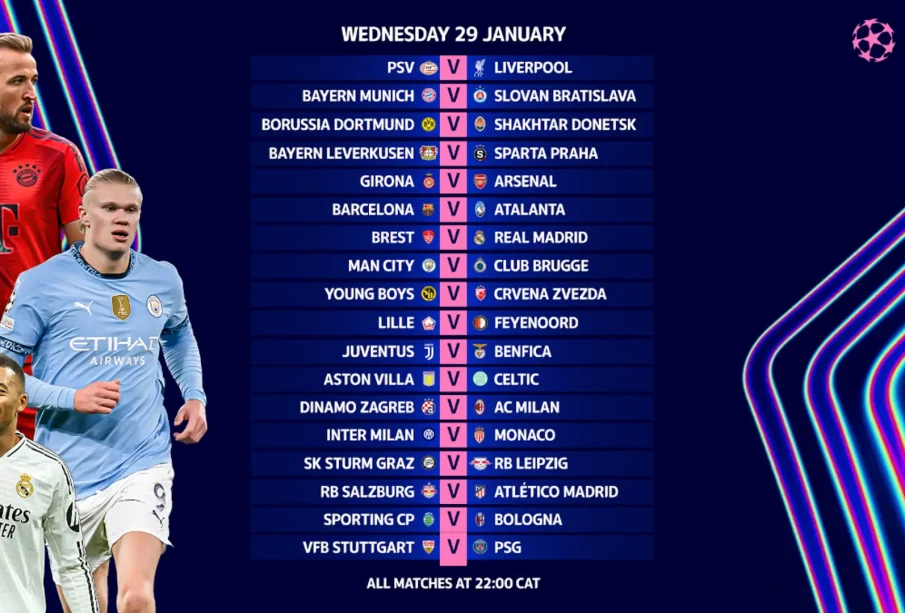
Champions League matches are typically scheduled on midweek evenings, with fixtures split across Tuesday and Wednesday to accommodate broadcasters and avoid clashes with other domestic leagues. The group stage matchdays are spread across several months, while the knockout rounds usually consist of two-legged ties (home and away) for the round of 16, quarter-finals and semi-finals. The final is a standalone match, normally held in late spring.
Draws, fixtures release and ticketing
UEFA releases the full fixture schedule and hosts draws that determine group composition and subsequent knockout pairings. Fixtures are published well in advance so clubs, media and supporters can plan logistics. Ticket sales follow official channels; fans should use club and UEFA platforms to avoid unofficial resale risks. Time-zone differences and local kick-off times can affect travel and viewing plans.
Conclusion: What fans should take away
The Champions League schedule provides a predictable framework for following Europe’s top club competition: a group stage of six matchdays, midweek fixtures, two-legged knockouts and a single final. For supporters, early planning—monitoring official fixture releases, securing tickets and checking TV schedules—will improve the matchday experience. As each season approaches, fans should watch for official announcements from UEFA and their clubs to confirm precise dates, kick-off times and venues.





