Marcus Rashford: Footballer and Campaigner
Introduction: Why Marcus Rashford Matters
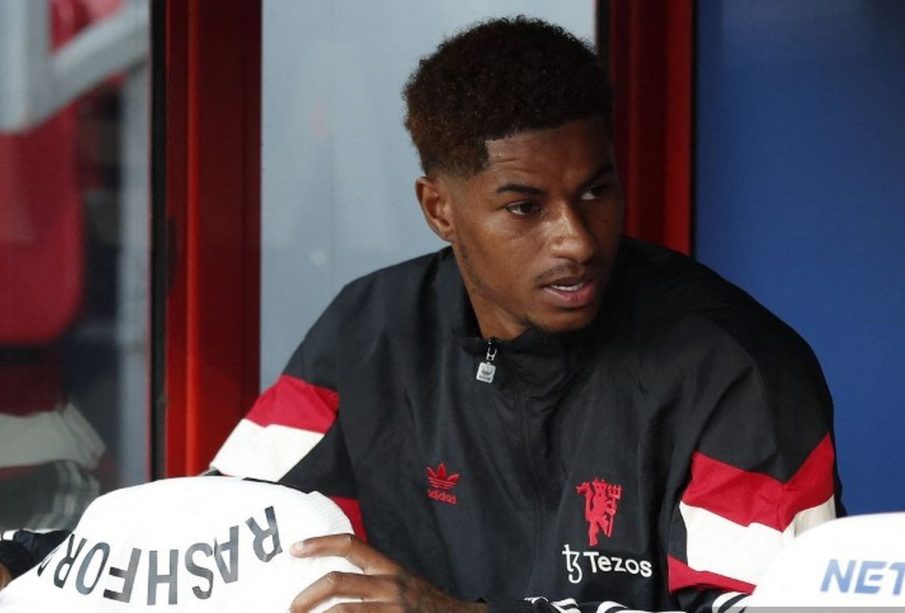
Marcus Rashford is a prominent figure in contemporary British sport and public life. As a professional footballer who has represented both club and country, and as a campaigner who has drawn attention to social issues, his actions resonate beyond the stadium. Coverage of Rashford is relevant because it intersects sport, community policy and public debate, touching on areas that matter to many readers: youth opportunity, social responsibility and the role of athletes in society.
Main body: On the pitch and in the community
Sporting role
On the field, Rashford is widely recognised for his pace, finishing ability and versatility. He has been a regular feature in high-profile domestic and international competitions and is often discussed in terms of form, selection and contribution to his team. Observers and supporters follow his performances closely, and his presence on a team sheet tends to attract attention in match previews and reports.
Campaigning and public engagement
Beyond football, Rashford has become known for his involvement in social campaigns. His engagement with issues affecting children and families, particularly around food insecurity and access to support, has generated national discussion. Campaigners, policymakers and charities have all referenced his work in debates about how best to address inequality and support vulnerable households. This crossover from sport to social advocacy has broadened the public conversation about the responsibilities and potential influence of high-profile athletes.
Media and public reaction
Media coverage of Rashford typically balances sporting analysis with reporting on his community work. Public reaction has included praise for his advocacy and scrutiny of the wider systems in which those issues arise. His profile means that developments involving him—whether sporting, charitable or personal—tend to attract attention from a range of audiences.
Conclusion: Significance and outlook
Marcus Rashford’s dual role as footballer and campaigner ensures he remains a figure of public interest. For readers, the significance lies not only in his performances on the pitch but in the example he sets by using his platform to highlight social concerns. Looking ahead, followers of sport and social policy alike will continue to monitor his contributions in both arenas, and his influence is likely to remain part of conversations about the intersection of sport, civic life and social change.





