Spider-Man: Brand New Day — What Changed and Why It Matters
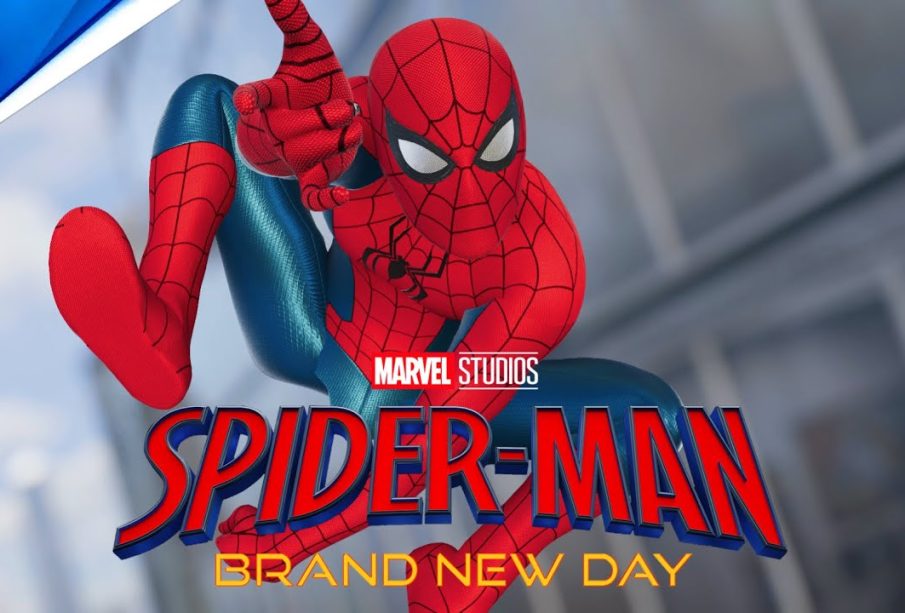
Introduction: Why ‘Brand New Day’ Still Matters
The “Brand New Day” era of Spider-Man comics represents a deliberate reset in one of the most enduring superhero franchises. Its importance lies in how it altered Peter Parker’s status quo — notably restoring his single, civilian life — and in the wider conversation it provoked about continuity, character development and editorial direction in mainstream comics. For fans and newcomers alike, understanding this period helps explain many of Spider-Man’s modern storylines and the tone the character carried into the following decade.
Main body: What Happened and How Readers Reacted
Resetting a long-standing status quo
Launched after a controversial storyline that changed Peter Parker’s personal life, “Brand New Day” established a new narrative framework. Creators used the opportunity to return Spider-Man to a more episodic, street-level series format, with shorter self-contained stories and an emphasis on Peter juggling day-to-day struggles with superhero duties. The era reintroduced or reshaped supporting characters, adjusted continuity so that certain past events no longer bound the character, and opened the title to a range of creative teams and artistic styles.
Creative approach and public response
Writers and artists working during this period experimented with tone and pacing, alternating dramatic arcs with lighter, character-driven instalments. That approach appealed to some readers seeking accessible entry points but frustrated others who felt key emotional stakes had been diminished. The result was a mixed reception: commercially the title remained a major pillar for the publisher, but critically and among segments of the fandom, debates about creative choices and the handling of Peter’s personal life persisted.
Conclusion: Legacy and Significance for Readers
Today “Brand New Day” is viewed as a pivotal era that shaped Spider-Man’s direction in the late 2000s and influenced later creative decisions. For new readers, it provides an accessible way into the character without requiring deep knowledge of prior continuity. For long-term fans, it serves as a reference point in ongoing discussions about how much continuity should define a character versus the need for fresh storytelling. Looking ahead, the legacy of “Brand New Day” remains relevant as creators balance respect for history with the desire to keep a decades-old character feeling immediate and relatable.





