Tower Bridge: Landmark of London’s River Thames
Introduction: Why Tower Bridge Matters
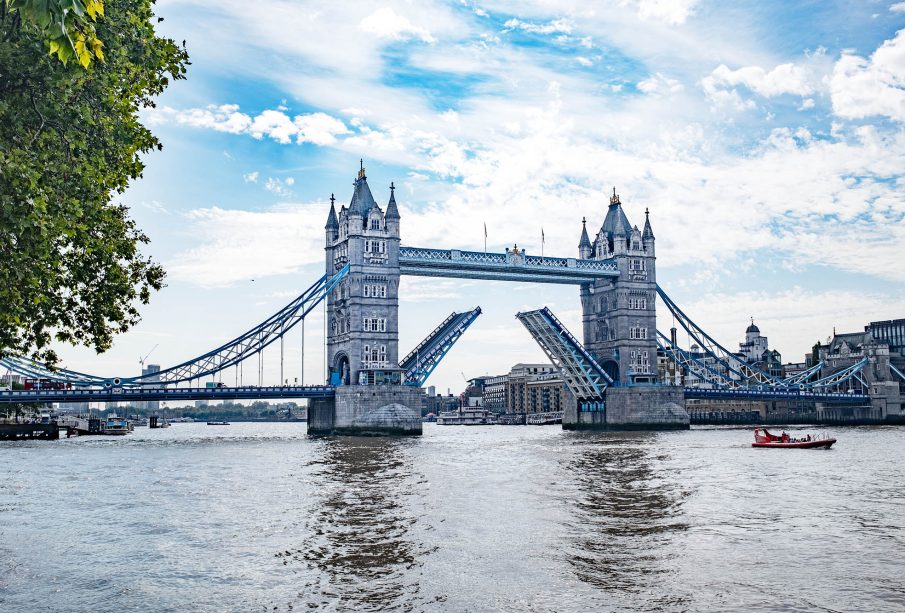
Tower Bridge is one of the most recognisable structures in London and a lasting symbol of the city’s Victorian engineering ambition. Spanning the River Thames close to the Tower of London, the bridge combines practical function with architectural flair and remains central to transport, tourism and the capital’s identity.
Main body: History, design and public role
Engineering and construction
Commissioned in the late 19th century to ease road access while preserving river traffic, Tower Bridge was designed by Sir Horace Jones in collaboration with engineer Sir John Wolfe Barry. Construction began in 1886 and was completed in 1894. The structure is a hybrid of bascule (drawbridge) and suspension bridge technologies: raised bascules allow tall ships to pass, while stone-clad towers provide the bridge’s distinctive Gothic Revival appearance. The towers rise to around 65 metres and stand on piers sunk into the riverbed.
Function and visitor experience
Beyond its role as a road crossing, Tower Bridge is a major visitor attraction. The high-level walkways and engine rooms are open to the public as an exhibition that explains the bridge’s mechanics and history. The bridge is also used for ceremonial and tourist events and remains a scenic backdrop for river traffic and city events.
Maintenance and conservation
As a historic structure in continuous use, Tower Bridge requires ongoing maintenance and careful conservation. Works over the years have focused on preserving its Victorian fabric while ensuring the bridge meets modern safety and operational standards. Its ability to lift for shipping remains a practical necessity as well as a draw for visitors.
Conclusion: Significance and outlook
Tower Bridge continues to symbolise London’s blend of history and modern urban life. Its engineering legacy and cultural prominence ensure it will remain an essential landmark for residents and visitors alike. Ongoing conservation efforts will be important to preserve both its functionality and heritage value as the Thames and the city evolve.





