How to Read the Weather Tomorrow: Practical Tips and Facts
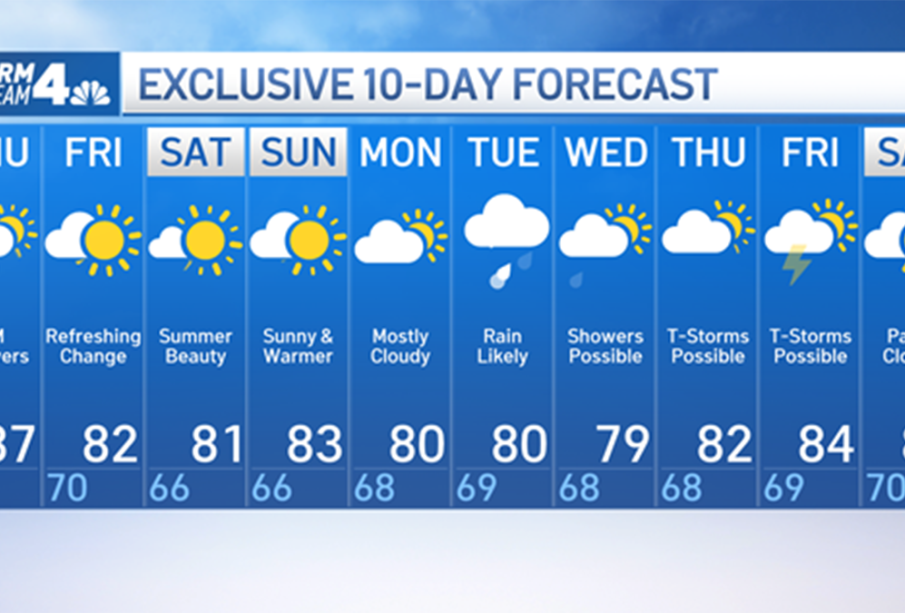
Introduction: Why the weather tomorrow matters
Knowing the weather tomorrow helps people make informed decisions about travel, clothing, outdoor events and safety. Short-range forecasts are the most relevant for day-to-day planning because they draw on recent observations and high-resolution models. Understanding the nature and limits of these forecasts makes it easier to prepare for likely conditions and to respond quickly to changes.
Main body: How forecasts work and what to check
How forecasts are produced
Meteorological forecasts for the next day combine observations from satellites, weather stations, radar and surface reports with numerical weather prediction models. These models simulate the atmosphere using current conditions as a starting point. Forecasters then interpret model outputs, local knowledge and real-time observations to produce a concise forecast for the following day.
Forecast reliability and uncertainty
Generally, a well-produced forecast for the next 24 hours is quite reliable for large-scale patterns such as temperature trends, the arrival of a frontal system, or widespread rain. However, precise details—timing of showers, local gusts of wind, or isolated thunderstorms—can still be uncertain. Probabilities and watches/warnings communicate that uncertainty: a 70% chance of rain means rain is more likely than not, but not guaranteed everywhere.
What to check before your day
When checking the weather tomorrow, look for temperature ranges, expected precipitation, wind speeds and any advisories. Short-range radar and satellite imagery are useful for tracking approaching rain or storms. Local forecasts from trusted sources often include practical guidance such as commute impacts or visibility issues.
Practical planning tips
Plan layers rather than a single outfit, allow extra time for journeys in wet or windy conditions, and have a contingency plan for outdoor activities. Keep devices charged and notifications enabled for updates if severe weather is possible.
Conclusion: What this means for readers
Weather tomorrow matters because it directly affects daily decisions. Use reputable local forecasts, understand the limits of precision, and apply simple precautions—layered clothing, travel buffers and monitoring updates—to reduce disruption. Staying informed and adaptable ensures you can respond quickly if conditions change.





