Race Across the World: Overland challenge captures renewed interest
Introduction
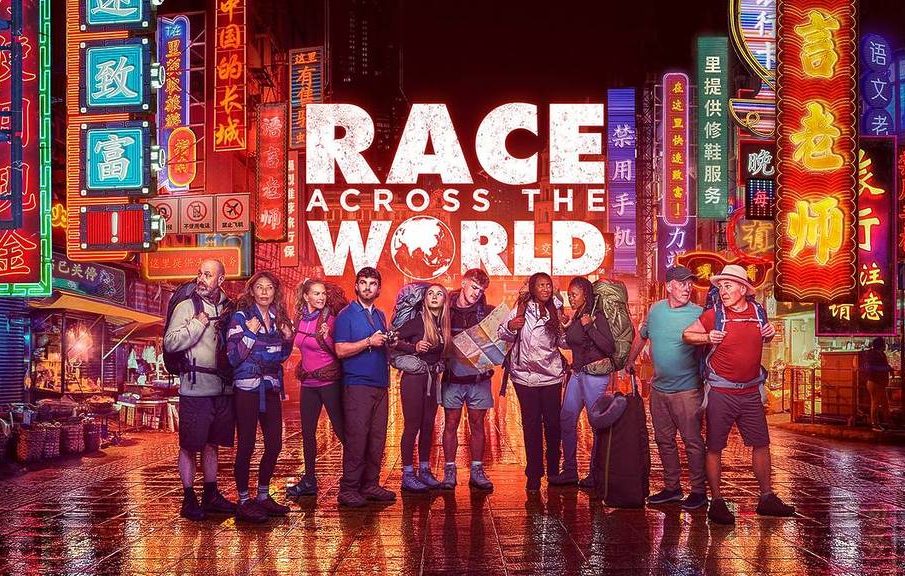
Race Across the World has emerged as a notable cultural touchstone for viewers drawn to real-world adventure, low-budget travel and human stories. Since its television debut in 2019, the series has highlighted how ordinary people navigate long-distance journeys without flights, relying on local transport, limited funds and resourcefulness. The format’s blend of travelogue, competition and social observation is especially relevant as audiences reassess priorities around sustainable travel and experiential holidays.
Main body
Format and appeal
The programme follows teams racing from a fixed start to a finish line across countries and continents. Competitors are given a budget intended to mirror the cost of a plane ticket between the two points and must travel overland using trains, buses, ferries, taxis and other local options. The limitations imposed by the budget and the no-fly rule amplify logistical challenges and human drama: planning routes, negotiating transport, finding accommodation, and coping with setbacks.
Viewer engagement and wider impact
Race Across the World has resonated with audiences for several reasons. It foregrounds human relationships under pressure, presents a variety of landscapes and cultures, and showcases journeys that are affordable in principle for many viewers. The series has also fed interest in slower, lower-impact travel. Destinations and transport methods featured on the show often see increased attention from audiences seeking alternative itineraries to conventional air travel. Social media conversation around the show frequently focuses on practical tips, cultural moments and the contestants’ strategies.
Production and presentation
The show’s production emphasises on-the-ground realism: teams encounter language barriers, variable infrastructure and unpredictable schedules. This authenticity contributes to its informative value as well as entertainment, offering viewers insights into how long-distance overland travel works in different regions.
Conclusion
Race Across the World continues to be significant beyond its entertainment value. It has helped normalise long-distance overland travel as both doable and appealing, and it taps into growing public interest in sustainability, local economies and hands-on adventure. For viewers and prospective travellers, the series offers inspiration and practical lessons; for the travel sector, it signals continued demand for authentic, low-carbon experiences. As audiences look for meaningful ways to explore the world, formats that combine challenge, culture and conscientious travel are likely to remain popular.





