Misty Copeland’s Ongoing Impact on Ballet and Diversity
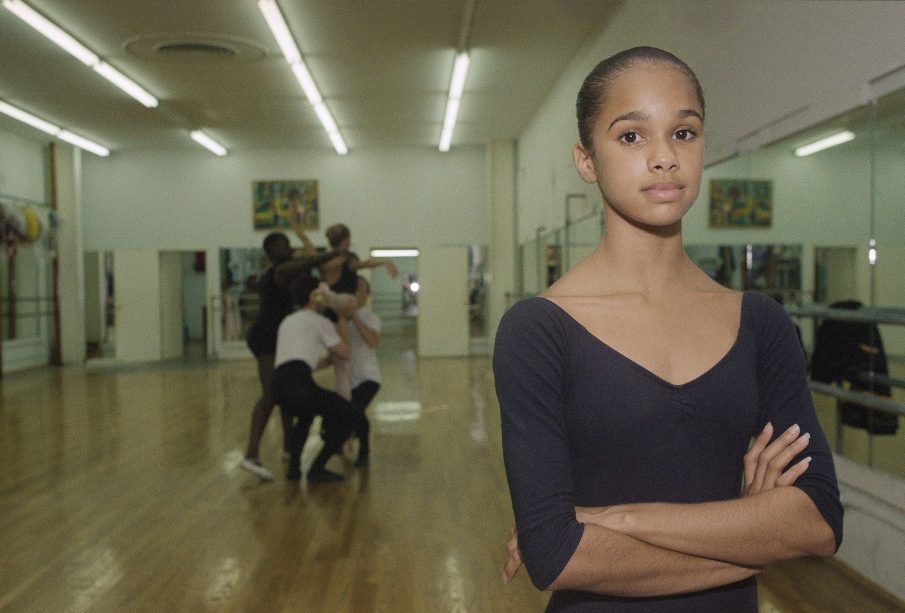
Introduction: Why Misty Copeland Matters
Misty Copeland is widely recognised as one of the most influential figures in contemporary ballet. Her career and public profile have made ballet more visible to wider audiences and have highlighted questions of diversity, access and representation in the arts. Understanding Copeland’s role is relevant to readers interested in performing arts, cultural change and the careers of high‑profile artists who use their platform for advocacy.
Main body: Career highlights and public influence
Professional milestones
Copeland rose to prominence through a combination of technical talent and high‑profile achievements. She became the first African American female principal dancer at the American Ballet Theatre (ABT), a milestone widely reported in the dance world. That appointment and her subsequent performances have drawn attention both to her artistry and to the historical lack of representation on major stages.
Authorship and public engagement
Beyond performance, Copeland has reached audiences through writing and media. Her memoir and other publications have described her journey and offered insight into the challenges faced by dancers from under‑represented backgrounds. Copeland’s visibility in books, interviews and public appearances has helped popularise ballet among new audiences and inspired aspiring dancers who had not seen themselves reflected in the profession.
Advocacy and broader impact
Copeland has been associated with conversations about body image, opportunity and inclusivity in classical dance. Her profile has encouraged institutions and audiences to re‑examine longstanding norms and to consider how training, casting and outreach might evolve to become more inclusive. While progress in representation is ongoing, Copeland’s prominence has been a catalyst for discussion and incremental change.
Conclusion: Significance and what to watch next
Misty Copeland’s career is significant both for her artistic achievements and for the conversations she has helped foster about diversity in the arts. For readers, her story demonstrates how individual artists can influence public perceptions and institutional priorities. Looking ahead, the lasting significance of Copeland’s influence will depend on sustained institutional efforts to broaden access and on the next generation of artists who continue to build on the visibility she has helped create.





