The Sycamore Gap Tree: Loss, Legacy and Prospects
Introduction: Why the Sycamore Gap Tree matters
The sycamore gap tree was one of England’s most recognisable landscape features, standing beside Hadrian’s Wall in Northumberland. Its solitary silhouette in a hollow known as Sycamore Gap made it a frequent subject for photographers, walkers and filmmakers, and a symbol of the region’s natural and cultural heritage. The tree’s felling in September 2023 prompted widespread public concern and highlighted questions about protecting valued natural landmarks.
Main body: What happened and the response
The felling and immediate aftermath
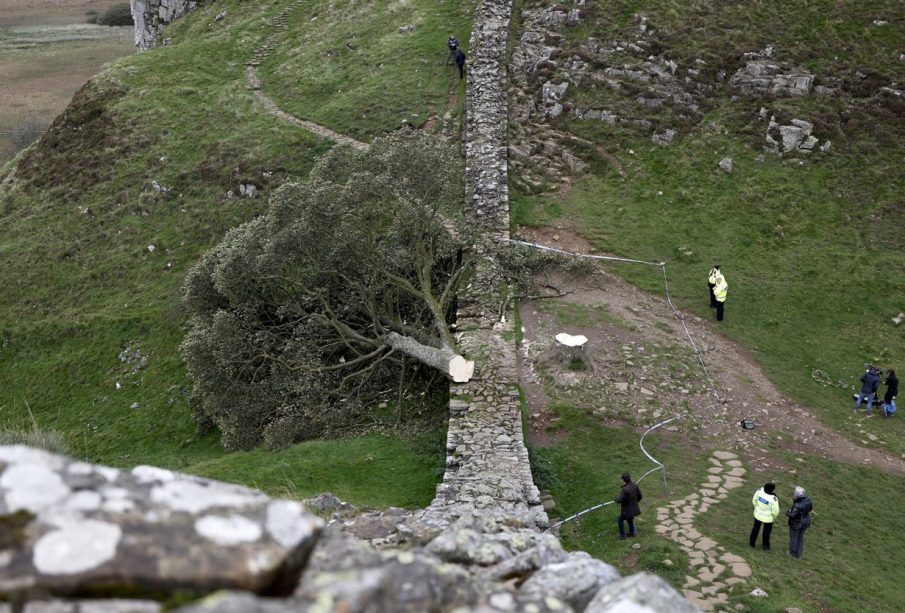
On 28 September 2023 the tree was deliberately felled, an act that drew swift condemnation from the public, local communities and conservation bodies. The tree was estimated to be roughly 200 years old and had stood at the foot of Hadrian’s Wall for generations. Its removal left a prominent gap in a much-photographed landscape and triggered a criminal investigation into acts of deliberate damage.
Cultural significance
The sycamore had become emblematic of the Northumberland landscape. It featured in the 1991 film Robin Hood: Prince of Thieves and appeared in countless postcards, travel guides and social-media posts. For many visitors, the tree was both a natural curiosity and a landmark on the Hadrian’s Wall path, contributing to local tourism and regional identity.
Conservation and replacement efforts
Following the felling, local authorities, land managers and conservation organisations moved to assess the site, preserve what remained and plan for recovery. Samples from the stump and surrounding area were collected to establish provenance and to explore options for propagation. Community-led fundraising and proposals for planting saplings received strong public support. Agencies involved emphasised that, while a new tree can be planted, it will take decades for any replacement to reach the stature and cultural presence of the original.
Conclusion: Significance and outlook for readers
The loss of the sycamore gap tree has reopened discussion about safeguarding natural landmarks that carry cultural value. Practical responses—investigations, preservation of material for propagation, and replanting initiatives—aim to restore the visual character of the site, but a true replacement will require time and careful stewardship. For visitors and residents, the episode is a reminder of the fragility of shared heritage and the ongoing need to balance public access with protection of irreplaceable natural features.





