Elephant shrew: biology, behaviour and conservation
Introduction: Why the elephant shrew matters
The elephant shrew, commonly called the sengi, is a small insectivorous mammal native to Africa. Despite its modest size, the elephant shrew is of considerable interest to scientists, conservationists and nature lovers because of its unusual anatomy, ecological role and evolutionary relationships. Understanding this animal helps illuminate biodiversity across African ecosystems and highlights the need to conserve often-overlooked species that contribute to healthy habitats.
Main body: Traits, habits and distribution
Taxonomy and appearance
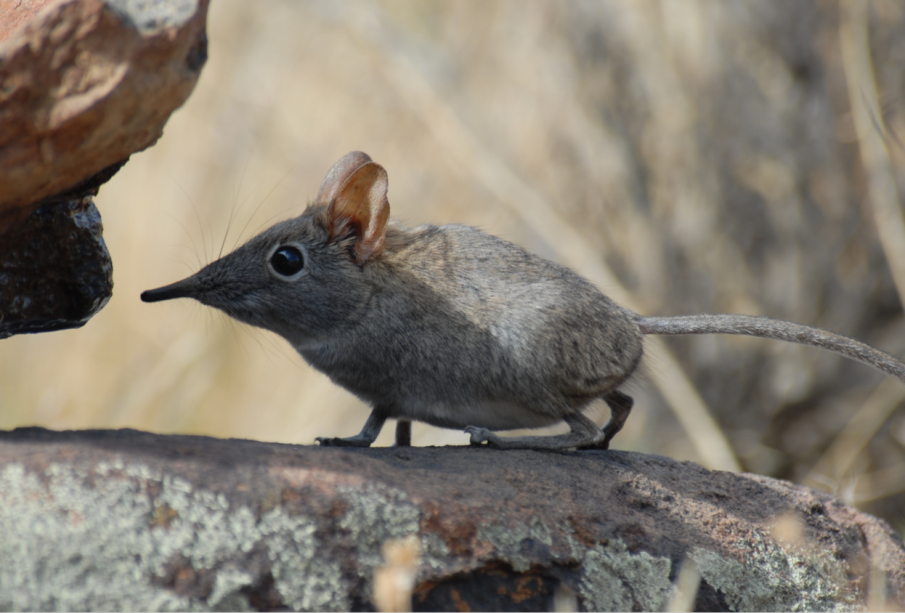
Elephant shrews belong to the order Macroscelidea and the family Macroscelididae. They are not true shrews; the nickname derives from their long, flexible snout that resembles an elephant’s trunk. Also known as sengis, they vary in size from mouse-like to rabbit-sized, with long tails and slender limbs adapted for quick movement.
Behaviour and ecology
Most elephant shrew species are diurnal or crepuscular and feed primarily on insects, spiders and other small invertebrates, occasionally taking plant material. They are renowned for rapid, bounding locomotion and for maintaining well-defined trail systems through leaf litter and undergrowth. Many species form monogamous pairs that defend territories, using scent marking and vocalisations to communicate. They build domed nests or concealed resting sites for protection and raising young.
Habitat and distribution
Sengis are found across a range of African habitats, from dense forest to dry savanna and semi-arid scrub. Different species have adapted to specific local conditions, illustrating the group’s ecological diversity. Their presence can indicate the health of ground-level invertebrate communities and habitat structure.
Conclusion: Significance and outlook
Elephant shrews play a valuable role as insect predators and as part of Africa’s mammal diversity. Some species face pressures from habitat loss, fragmentation and changing land use; others remain relatively stable where habitat persists. Continued research, habitat protection and awareness are important to ensure these distinctive mammals remain part of Africa’s natural heritage. For readers, supporting conservation initiatives and local research efforts can help safeguard sengis and the ecosystems they help sustain.





