Easter Sunday 2026: Date, significance and how Britain will prepare
Introduction: Why Easter Sunday 2026 matters
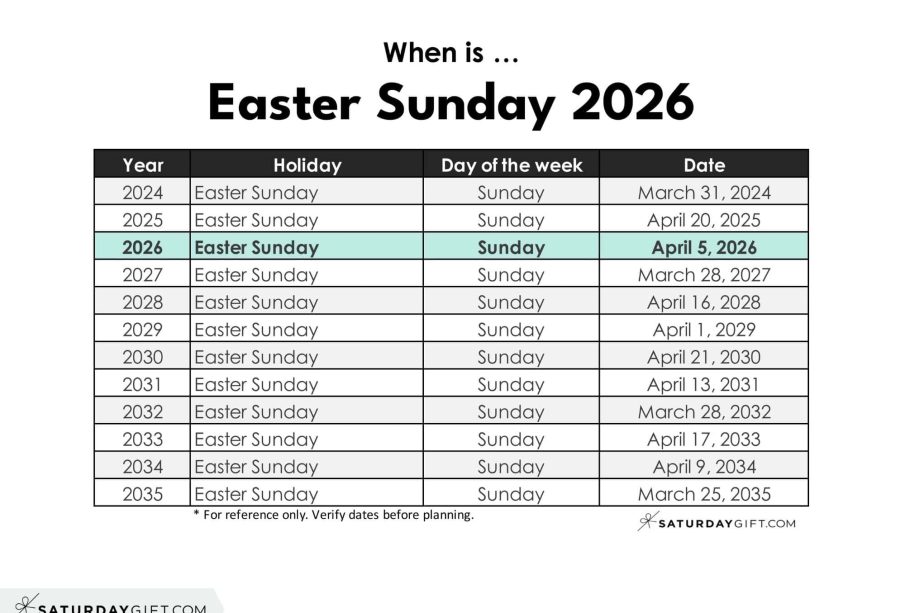
Easter Sunday 2026 is an important date in the Christian calendar and a key marker of the spring holiday season in the UK. Falling on 5 April, it shapes religious observance, family gatherings, retail activity and travel plans for millions. Understanding when Easter occurs and its likely impacts helps individuals, businesses and public services plan for the short-term surge in movement and demand.
Main developments and facts
Date and liturgical background
Easter Sunday in 2026 will be celebrated on 5 April. The date is determined by ecclesiastical rules as the first Sunday after the Paschal full moon that follows 21 March. For many churches this prompts special services from Easter Vigil on Holy Saturday through to Sunday worship and beyond.
Public life, retail and hospitality
Easter is traditionally a busy period for retailers and hospitality firms. Supermarkets and confectioners increase stock of eggs and seasonal goods, while restaurants, cafés and short‑break providers expect elevated bookings over the long weekend. Employers and councils typically plan for bank‑holiday schedules, with many offices and public services operating reduced hours on the bank holiday Monday that follows Easter Sunday.
Travel and events
As with previous years, transport operators and local authorities will issue guidance ahead of the long weekend. Rail, road and air networks generally see increased demand around Easter, driven by family visits and short breaks. Churches, community groups and cultural venues often programme special services, concerts and local events for the holiday weekend.
Conclusion: Practical implications and outlook
Easter Sunday 2026 on 5 April will act as a focal point for religious observance and springtime activity across the UK. Individuals should expect higher consumer and transport demand and may wish to book travel and hospitality in advance. For businesses and public services, proactive planning around staffing, opening hours and customer communications will be important to manage the predictable surge in activity. Observers can expect a familiar pattern of increased retail sales, busy travel corridors and a range of community events marking the season.





