Child Care: Why Access and Quality Matter Now
Introduction: Why child care matters
Child care is a critical public concern, linking early childhood development with parental employment and wider social outcomes. Its relevance spans family finances, educational trajectories and local labour markets. As policymakers, providers and families assess options, child care has become an area of sustained public interest and policy discussion.
Main developments and current issues
Access and affordability
Access to reliable child care affects whether parents can participate fully in the workforce. Affordability, opening hours and local availability are recurring themes for families trying to balance work and caregiving responsibilities. Many communities report demand that exceeds supply, prompting discussions about how to increase places and improve flexibility.
Quality and early learning
Quality in child care is closely tied to early learning outcomes. Trained staff, appropriate child-to-carer ratios and stimulating environments support children’s social, emotional and cognitive development. Attention to professional standards, ongoing training and curriculum alignment with early years education are central to maintaining and improving quality.
Workforce pressures
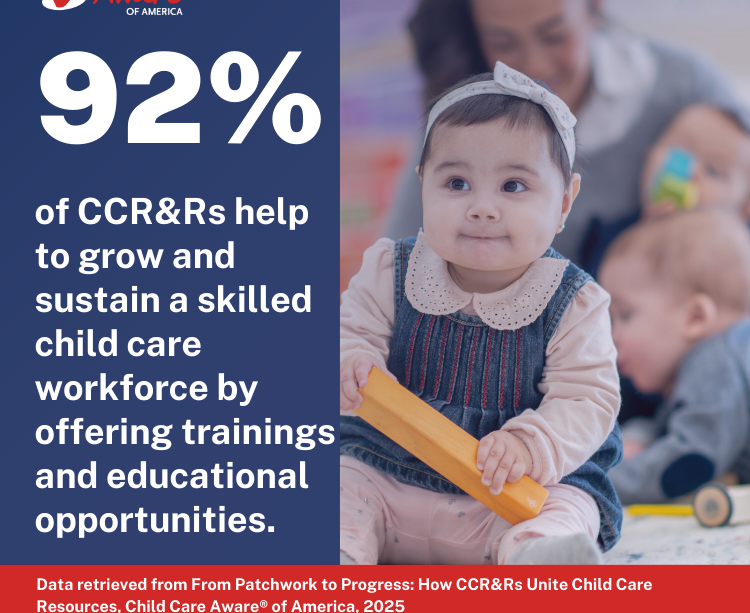
The child care workforce faces recruitment and retention challenges in many contexts. Pay, working conditions and career pathways influence the supply of qualified educators. Strengthening professional recognition and creating routes for training are common responses aimed at stabilising the workforce and ensuring consistent care standards.
Policy responses and provider innovation
Responses range from regulatory adjustments to funding schemes and service redesign. Providers are exploring flexible hours, blended delivery and partnerships with community organisations to meet diverse family needs. Technology is also being used to support administration and parent communication, while preserving the face-to-face interactions crucial for young children.
Conclusion: What this means for families and communities
Child care sits at the intersection of family wellbeing, child development and economic participation. Improvements in access, affordability and quality could yield benefits across society, but progress depends on coordinated policy, investment in the workforce and locally tailored solutions. For readers, the key takeaway is that child care choices and systems shape both immediate family life and longer-term social outcomes, making continued attention and informed debate important.





