Carers Ordered to Repay Benefits: Guide and Advice
Introduction: Why this matters
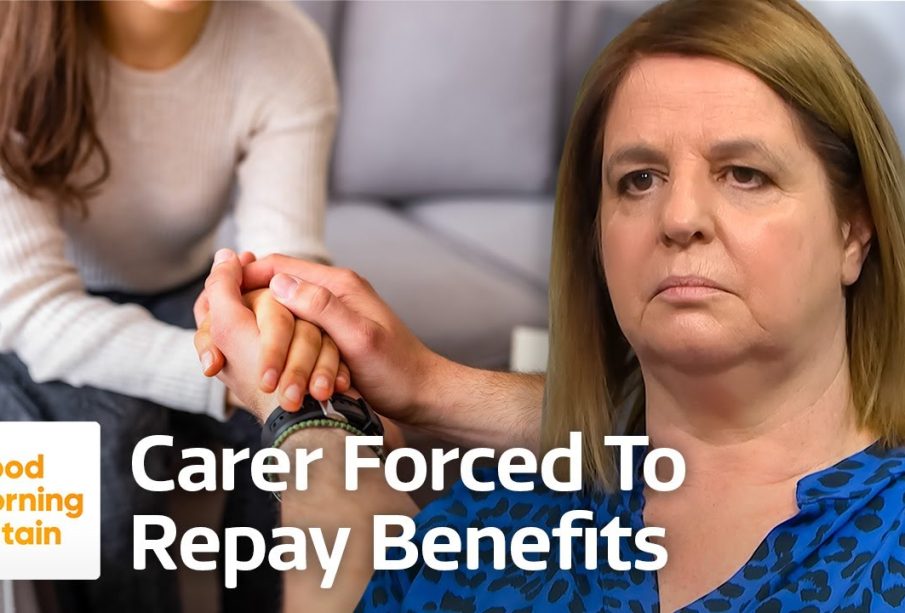
Reports that carers ordered to repay benefits are facing renewed scrutiny have highlighted a pressing issue for households reliant on social support. Carers often depend on small, steady payments such as Carer’s Allowance to cover living costs while providing unpaid care. Orders to repay can create immediate financial hardship and raise questions about the accuracy of benefit administration and the protections available to vulnerable claimants.
Main body: What is happening and why
Common reasons for repayment demands
Repayment requests typically arise when a benefits agency identifies an overpayment. Causes can include retrospective eligibility checks, changes in the claimant’s circumstances that were not reported, overlapping entitlements, or administrative error. In the UK, the Department for Work and Pensions (DWP) may seek repayment if records indicate that a claimant received sums to which they were not entitled.
Impact on carers
Many carers operate on tight budgets and have limited capacity to increase income quickly. Being asked to repay benefits can force difficult choices about care, work and household expenditure. The psychological burden of debt and the administrative challenge of challenging a repayment can also undermine carers’ ability to provide stable support to the people they care for.
Rights, remedies and practical steps
Claimants who receive a repayment notice have rights. It is important to read any correspondence carefully and check the calculation and the period cited. Carers can ask the DWP for a reconsideration, request a time-to-pay arrangement, or lodge an appeal to the First-tier Tribunal if they dispute the decision. Independent advice from Citizens Advice, local law centres or carers’ organisations can help with paperwork, appeals and negotiating manageable repayment terms.
Conclusion: Significance and outlook
Orders for carers to repay benefits underline the need for clear communication, fair recovery practices and accessible support for vulnerable claimants. Policymakers and administrators face pressure to balance safeguarding public funds with protecting low-income carers from undue harm. For affected individuals the immediate priorities are to check the details of any demand, seek independent advice promptly and, where possible, pursue administrative or legal remedies while negotiating realistic repayment arrangements.





