How Edinburgh Weather Shapes City Life and Travel
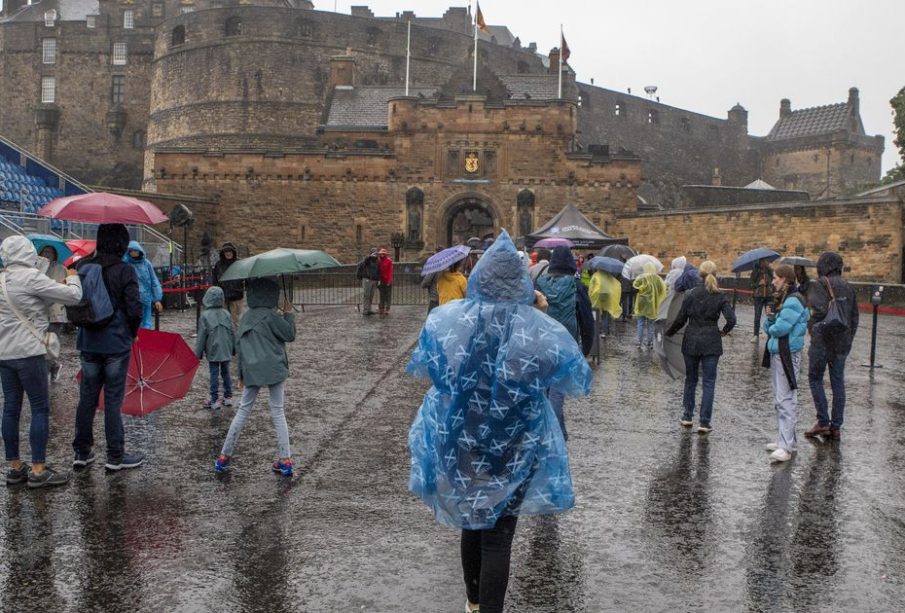
Introduction: Why Edinburgh weather matters
Edinburgh weather is a constant subject of conversation for residents and visitors alike. Its variability — driven by Scotland’s maritime climate and the city’s coastal position on the Firth of Forth — affects transport, tourism, public safety and the many outdoor festivals that underpin the city’s economy. Understanding local weather patterns is therefore important for planning journeys, events and everyday activities.
Main body: Patterns, impacts and practical facts
Typical characteristics and microclimates
The city’s proximity to the North Sea and its varied topography create quick changes in conditions across short distances. Areas such as Leith and the waterfront often feel windier and cooler, while the sheltered Old Town and parts of the New Town can be slightly warmer. Edinburgh’s hills, including Arthur’s Seat, can produce their own microclimates where rain and wind develop more rapidly than in lower-lying districts.
Effects on transport and events
Changeable weather can disrupt local life. Heavy rain and strong winds may delay flights and ferry services, while icy conditions in winter can lead to temporary road closures and slower rail services. Outdoor events — notably summer festivals and winter celebrations — are particularly exposed to weather variability: organisers commonly use contingency plans such as moving activities indoors, shortening programmes, or adjusting start times to ensure safety.
Public health and safety considerations
Cold snaps and icy surfaces increase the risk of slips and falls, while sudden downpours can cause localised flooding in older parts of the city with constrained drainage. Residents are advised to dress in layers, carry waterproofs, and allow extra time for journeys when conditions look unsettled.
Conclusion: What readers should take away
Edinburgh’s weather is an influential, ever-changing factor for daily life and the city’s cultural calendar. While long-term trends are monitored by national services, short-term forecasts are essential for making practical decisions. For travellers and locals alike, checking up-to-date meteorological advice and allowing flexibility in plans will reduce disruption and help everyone enjoy what the city offers, whatever the sky brings.





