What if an asteroid hit the North Sea: tsunami risks explained
Introduction
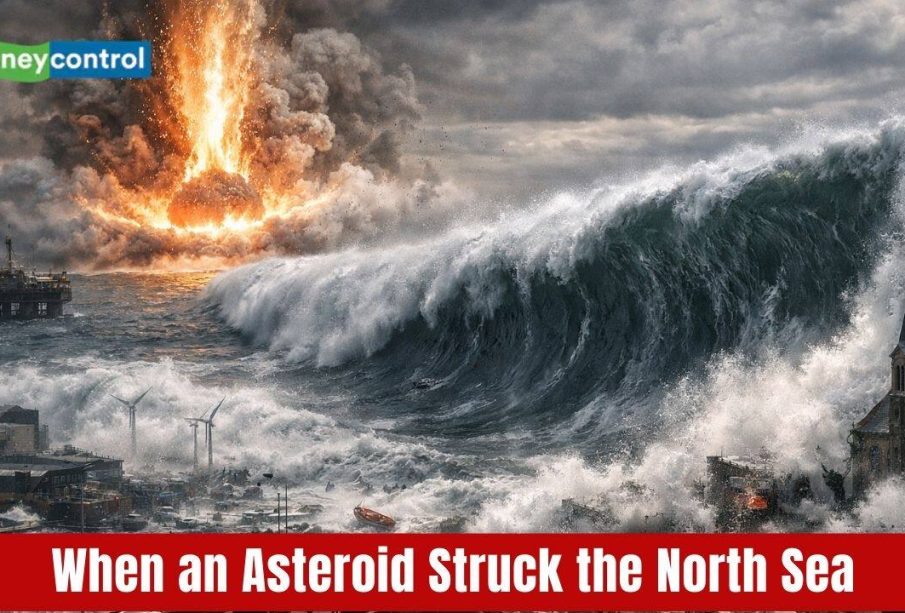
The prospect that an asteroid hit the North Sea and generated a tsunami is a low‑probability but high‑impact scenario. Understanding the mechanics and potential consequences matters for emergency planners and coastal communities across the United Kingdom, the Netherlands, Germany and Denmark. Even remote scientific scenarios can inform monitoring, warning and resilience measures for vulnerable shorelines.
Main body
How an impact can generate a tsunami
An object striking the sea can displace large volumes of water and create waves. The size and reach of those waves depend on the asteroid’s size, velocity, angle of entry and the depth and shape of the seabed. Impacts in shallow, enclosed seas can produce different wave patterns from those in deep ocean basins; local wave heights can be significant close to the impact site, while far‑field effects are usually smaller.
Potential regional effects
The North Sea is relatively shallow and bordered by densely populated, low‑lying coasts. A substantial near‑shore impact could produce rapidly arriving waves and strong local currents, posing flooding and erosion risks to coastal infrastructure, ports and communities. Impacts farther offshore would likely produce more dispersed wave energy, reducing peak heights but still potentially causing hazardous conditions along some coasts.
Monitoring, modelling and response
Near‑Earth object (NEO) surveys and international space agencies monitor potentially hazardous asteroids to provide advance notice where possible. Oceanographic modelling can estimate wave generation and propagation after an impact, but uncertainty in initial conditions can limit precision. National meteorological and emergency management agencies, coastal flood services and maritime authorities play roles in issuing warnings and coordinating evacuations if a credible threat were detected.
Conclusion
While an asteroid hit North Sea tsunami remains an unlikely event, the scenario highlights the value of sustained asteroid monitoring, improved impact and tsunami modelling, and robust coastal preparedness. For readers, the practical takeaways are that early detection of hazards, clear warning systems and up‑to‑date local evacuation plans dramatically improve community resilience to rare but severe marine hazards.





