Fenchurch Street: City transport hub and landmark
Introduction: Why Fenchurch Street matters
Fenchurch Street sits at the heart of the City of London’s eastern edge, combining a busy commuter railway terminus with notable commercial and architectural landmarks. Its role in moving thousands of passengers each day, and its proximity to major financial institutions and tourist sites, makes Fenchurch Street relevant to commuters, businesses and visitors alike.
Main body: Transport, buildings and daily life
Transport connections
Fenchurch Street railway station is a central London terminus serving services into east London and parts of Essex. Operated by the c2c franchise, the station handles a steady flow of commuters travelling between suburban and coastal destinations and the City. Its central location means easy pedestrian access to nearby Underground stations and workplaces, making it a key node in the capital’s transport network.
Architecture and landmarks
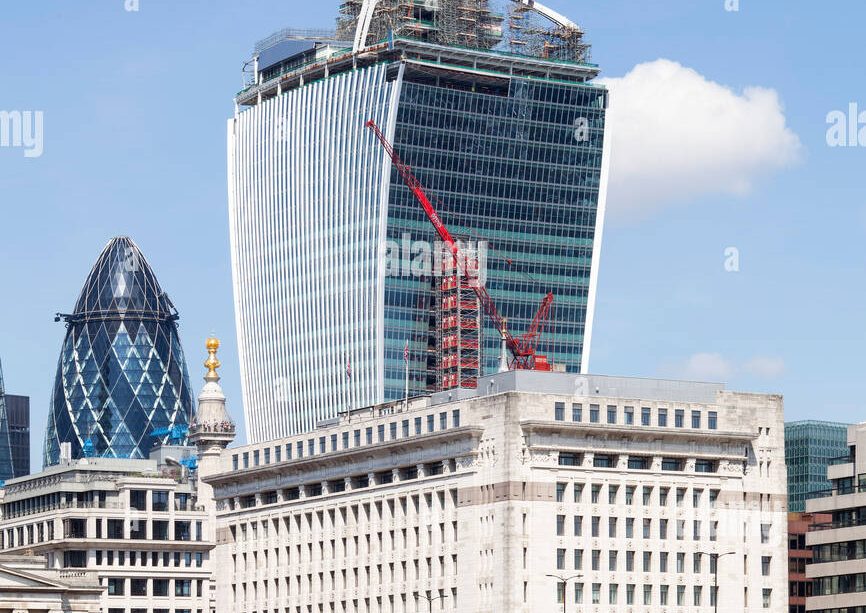
The street is also known for modern architecture, most notably 20 Fenchurch Street — the tower popularly known as the “Walkie Talkie” — which includes public amenities such as the Sky Garden. The juxtaposition of historic City streets with contemporary developments typifies the ongoing evolution of London’s skyline around Fenchurch Street.
Commerce and urban life
Fenchurch Street sits within one of the world’s principal financial districts. The area supports offices, professional services, retail and hospitality that cater to both the daily workforce and visitors. Its proximity to attractions such as the Tower of London and riverside walkways further integrates transport, commerce and leisure in a compact area.
Conclusion: Outlook and significance
Fenchurch Street will remain an important part of the City’s infrastructure and urban fabric. Continued emphasis on efficient transport links, accessible public spaces and mixed-use development will shape its short-term future. For readers, the street exemplifies how transport hubs and landmark buildings together influence commuting patterns, commercial activity and the visitor experience in central London.





