Nick Clegg: From Westminster to Big Tech Influence
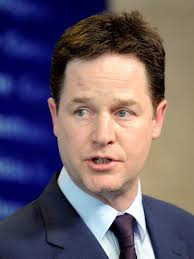
Introduction: Why Nick Clegg matters
Nick Clegg remains a significant figure where national politics and global technology intersect. As a former leader of the Liberal Democrats and deputy prime minister in the UK coalition government, Clegg’s subsequent move into a senior communications and public‑affairs role at a major technology company has kept him at the centre of debates about platform power, regulation and democratic accountability. Understanding his position helps readers follow ongoing discussions about how governments and tech firms should interact.
Main body: Roles, responsibilities and public impact
Political background and transition
Clegg served as leader of the Liberal Democrats and as deputy prime minister in the UK coalition government, giving him experience of coalition politics, government decision‑making and public scrutiny. After stepping back from frontline Westminster politics, he moved into the technology sector, taking on responsibilities that draw on both his political experience and his public profile.
Role in tech policy and public affairs
In his executive capacity at a leading global technology company, Clegg has been responsible for shaping the company’s approach to governments, regulators and the wider public. That work often centres on contentious issues: content moderation, data protection, misinformation, competition policy and how to balance innovation with user safety. His background in politics and communications positions him as a bridge between corporate strategy and public policy discussions in the UK, EU and beyond.
Public scrutiny and debate
Clegg’s career switch has prompted debate about the revolving door between government and industry, with supporters arguing his experience brings productive dialogue and critics warning of potential conflicts of interest. He is frequently cited in coverage of regulatory proposals and legislative efforts aimed at curbing platform harms or increasing transparency.
Conclusion: Significance and outlook
Nick Clegg’s trajectory illustrates the growing overlap between political decision‑making and global technology governance. As governments continue to design and implement rules for online platforms, figures who can navigate both worlds will remain influential. For readers, the key takeaway is that developments in tech regulation are likely to involve sustained interaction between policymakers and former politicians turned industry executives — and that those interactions will shape how digital services are governed in the years ahead.





