International Women’s Day UK: Events, Issues and Outlook
Introduction: Why International Women’s Day UK matters
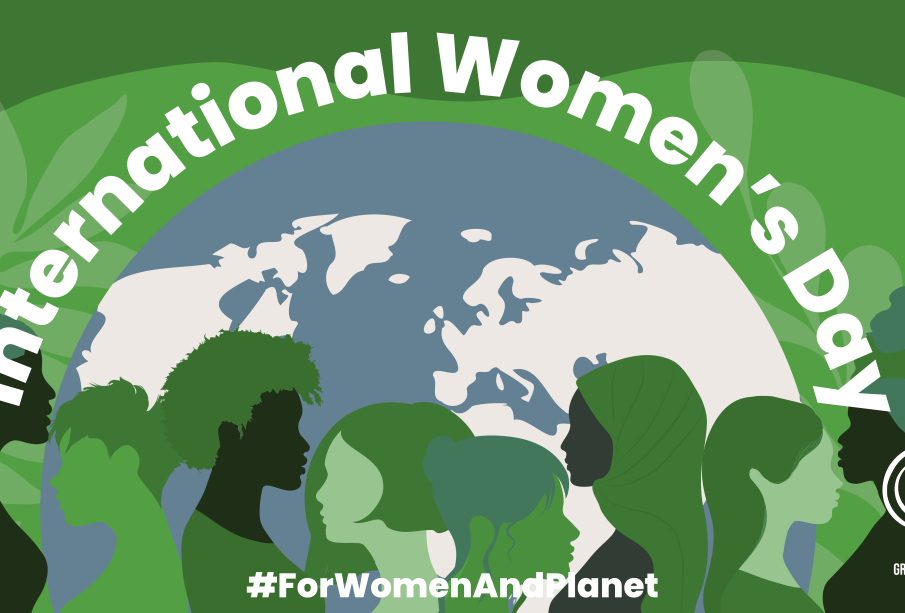
International Women’s Day UK, observed each year on 8 March, highlights the ongoing struggle for gender equality and the importance of action at national and local levels. Rooted in early 20th-century labour and suffrage movements and recognised by the United Nations since the 1970s, the day remains a focal point for discussion about pay, representation, safety and rights for women and marginalised genders across the UK.
Main developments and public response
Widespread commemorations
This year’s International Women’s Day UK was marked by a broad mix of public and private events: rallies and marches, panel discussions, workplace briefings and digital campaigns. Communities used the day to spotlight persistent gaps in employment, leadership and safety, while cultural institutions, universities and local councils staged exhibitions and talks focused on women’s histories and contemporary challenges.
Key themes raised
Common themes during proceedings included the gender pay gap, access to childcare, maternal health, representation in politics and business, and efforts to tackle violence against women. Campaigners and speakers urged sustained action beyond a single day, calling for measurable commitments from employers and policymakers to address structural inequalities.
Role of employers and civic bodies
Many employers and public bodies used the occasion to announce initiatives: mentoring schemes, reviews of recruitment practices, and renewed pledges to publish and reduce gender pay disparities. Local authorities and community groups organised awareness-raising sessions and support signposting, while online activity amplified calls for systemic reform across sectors.
Conclusion: Significance and outlook
International Women’s Day UK serves as both a reminder of progress made and a prompt to address unfinished business. The day’s events typically shape public conversation and can influence employer practice and policy debates in the months that follow. For readers, the significance lies in momentum: sustained public attention increases pressure for tangible change, from workplace policies to legal protections. Observers expect the conversation to continue throughout the year, with follow-up campaigns and monitoring of commitments that were announced or renewed on 8 March.





