international.womens day: Origins, Themes and Global Significance
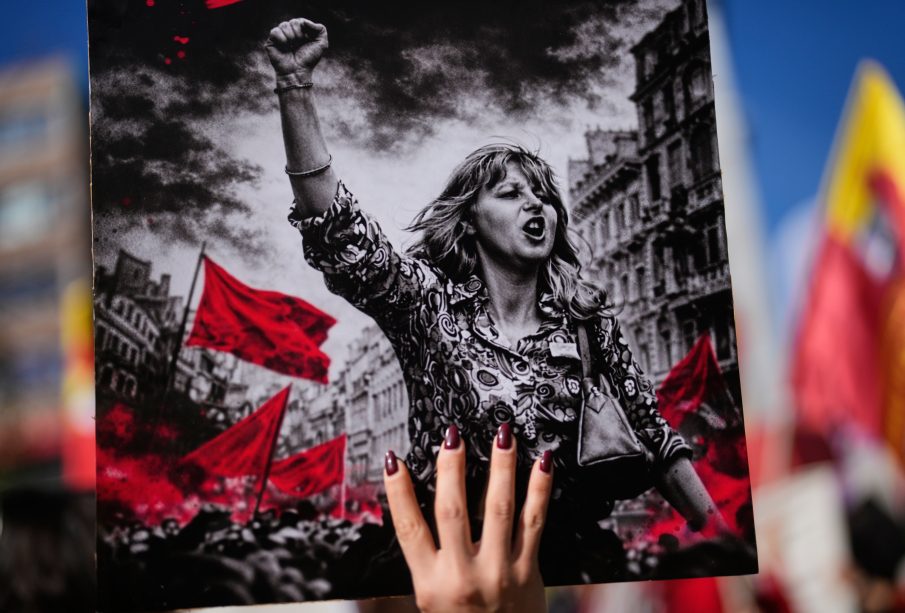
Introduction — Why international.womens day matters
International Women’s Day, observed each year on 8 March, is a focal point for attention to gender equality, women’s rights and social, economic and political inclusion. Its continued observance is important because it provides a unified moment for governments, organisations and communities to assess progress, renew commitments and mobilise action on issues that affect half the world’s population.
Main body — History, observance and current practice
Origins and official recognition
The day traces its roots to early 20th-century labour and suffrage movements in Europe and North America. The first organised International Women’s Day rallies took place in the years before and after 1910, and women’s groups across several countries held events in 1911. The United Nations began celebrating International Women’s Day in 1975 during International Women’s Year, and in 1977 the UN General Assembly adopted a resolution recommending that Member States proclaim 8 March as the UN Day for women’s rights and world peace.
How it is observed today
Observance ranges from large-scale international campaigns led by the UN to grassroots events and corporate initiatives. Each year a theme is often promoted by the UN and partner organisations to focus attention on specific priorities — for example, economic empowerment, political participation, ending violence against women, or closing pay gaps. Activities commonly include public demonstrations, panel discussions, policy announcements, cultural programmes and social media campaigns designed to raise awareness and prompt concrete commitments.
Relevance to citizens and policymakers
For readers, international.womens day is a reminder of persistent inequalities and the policy choices that can address them. Issues such as workplace rights, access to healthcare and education, protection from gender-based violence, and representation in leadership remain central. The day often serves as a launchpad for new legislation, corporate pledges or community initiatives.
Conclusion — Significance and outlook
International Women’s Day continues to be a vital annual checkpoint. While progress has been made in many areas, the observance underscores how much remains to be done. Looking ahead, the day is likely to keep shaping public debate and policy priorities, encouraging sustained action from governments, businesses and civil society to advance gender equality and women’s rights worldwide.





