National Women’s Day: Recognising Achievements and Continuing Challenges
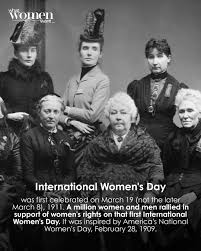
Introduction: Why National Women’s Day Matters
National Women’s Day is a focused moment for societies to recognise the contributions of women, highlight ongoing inequalities and encourage action across political, economic and cultural spheres. Its relevance stems from the need to maintain public attention on issues such as equal opportunity, representation and gender-based violence, and to celebrate advances in rights and leadership. Observed in different forms around the world, the day serves both symbolic and practical functions for communities, employers and policymakers.
Main body: How the Day is Observed and What It Highlights
Common events and activities
Typical observances include public speeches, exhibitions, panel discussions, community marches and awards ceremonies. Educational institutions and civil society groups often organise workshops and information sessions aimed at young people and employers. Media outlets frequently feature profiles of women leaders and innovators, while local councils and organisations may announce initiatives or funding aimed at supporting women’s services.
Policy focus and public debate
National Women’s Day frequently acts as a catalyst for policy announcements and renewed debate on topics such as workplace equality, childcare provision, access to healthcare and protections against domestic and sexual violence. It provides a platform for advocacy groups to present research and recommendations, and for elected officials to outline commitments or evaluate progress. For many stakeholders, the day is an opportunity to assess whether public measures are translating into tangible improvements in women’s lives.
Business and community engagement
Employers often mark the occasion by reviewing diversity and inclusion practices, launching mentorship programmes or sponsoring events that showcase female talent. Community organisations use the day to connect women with services, legal advice and networks that support entrepreneurship and civic participation. Such activities help translate symbolic recognition into practical support.
Conclusion: Significance and Looking Ahead
National Women’s Day remains an important annual reminder of both progress and remaining challenges. For readers, the day can provide a prompt to engage locally—by attending events, supporting initiatives or reflecting on personal and organisational practices. Looking ahead, the continued value of the observance will depend on follow-through: whether commitments made on the day are converted into policies, resources and cultural change that improve equality and opportunity for all women.





