Understanding the Weather Forecast: A Practical Guide
Introduction: Why the weather forecast matters
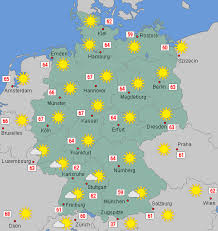
The weather forecast is a daily tool that affects transport, work, leisure and safety. Accurate forecasts help individuals, businesses and emergency services plan ahead, reduce risk and make informed decisions. With increasing public reliance on mobile apps and broadcasts, understanding what a weather forecast contains and how to use it is essential.
What is a weather forecast?
A weather forecast is a prediction of atmospheric conditions for a future period and location. Forecasts typically include temperature, precipitation (rain, snow), wind speed and direction, cloud cover and sometimes more specialised information such as humidity, visibility and severe-weather warnings. They range from short-term predictions for the next few hours to long-range outlooks covering weeks.
How forecasts are produced
Data collection
Meteorologists combine observations from satellites, radar, weather stations and ocean buoys to build a current picture of the atmosphere. This observational network provides the initial conditions needed for forecasting models.
Computer models and interpretation
Numerical weather prediction models use mathematical equations to simulate atmospheric behaviour. Different models may give slightly different outcomes; experts interpret these outputs, consider local factors and issue a forecast with an assessment of confidence. Short-term forecasts tend to be more precise, while uncertainty increases with time.
Using forecasts sensibly
Check the timescale
Match the forecast to your needs: hourly forecasts for travel and outdoor events, daily summaries for planning and longer-range outlooks for seasonal decisions. Pay attention to the forecast time and whether it refers to local time.
Understand uncertainty
Forecasts often include probabilities or confidence levels. A small chance of precipitation still means rain is possible; consider contingency plans for important activities and be ready to adjust as newer forecasts arrive.
Conclusion: Practical significance for readers
Weather forecasts are valuable when used with an awareness of their strengths and limits. By checking up-to-date information, noting the forecast timescale and preparing for uncertainty, readers can better protect their plans, property and safety. Regularly consulting reliable forecasts helps individuals and organisations respond promptly to changing conditions and reduces the impact of adverse weather.





