When Do the Clocks Go Forward? What to Expect
Introduction: Why the date matters
Knowing when do the clocks go forward is important for households, businesses and public services across the UK. The change to British Summer Time (BST) affects travel timetables, work hours, energy use and personal routines. Preparing in advance reduces disruption to alarms, medication schedules, heating controls and transport plans.
Main details: timing and practical implications
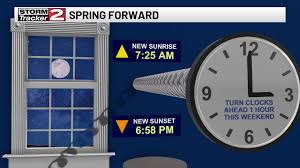
In the UK, clocks go forward by one hour on the last Sunday in March. At 01:00 GMT the clocks advance to 02:00 BST, effectively moving one hour of daylight from the morning to the evening. This switch marks the start of British Summer Time and continues until the clocks go back on the last Sunday in October.
Most digital devices — smartphones, computers and modern appliances — update automatically when the change occurs. Manual timepieces, wall clocks and some heating and irrigation timers will need to be set forward by one hour before you sleep on the Saturday night. Transport operators and service providers publish updated timetables around the change; passengers should check train, bus and flight times in advance, as some schedules are adjusted to reflect the time shift.
There are practical impacts to consider: sleep disruption for some people, altered medication timings, and temporary confusion in international meetings or cross-border travel. Employers and schools often remind staff and pupils of the change to avoid missed appointments. For businesses that operate time-sensitive systems, reviewing scheduled tasks, backups and automated processes is advisable to prevent errors.
Conclusion: What readers should do
To prepare for when the clocks go forward, check that critical devices are set to update automatically, reset any manual timers and confirm travel arrangements. Employers should communicate with staff about schedule adjustments, and households should note medication and childcare timings. While the one-hour advance is brief, planning ahead ensures minimal disruption and makes the most of longer evening daylight for leisure and commerce.
Remember: the simple rule for the UK is that clocks advance one hour on the last Sunday in March — set a reminder so you are ready.





