International Women’s Day: Why it still matters
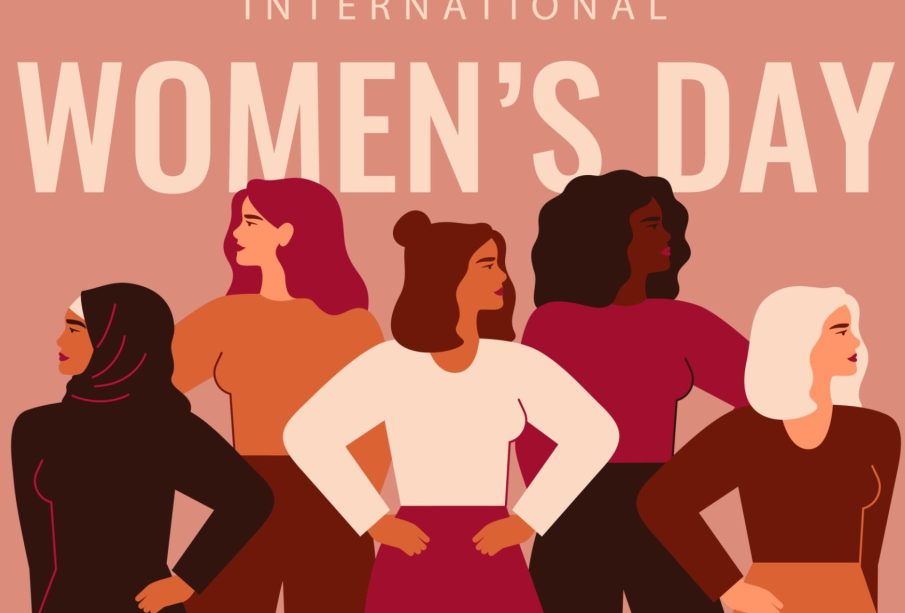
Introduction: The importance of International Women’s Day
International Women’s Day is observed each year on 8 March and serves as a focal point for action on women’s rights and gender equality. The day is relevant to governments, businesses, community groups and individuals because it highlights persistent disparities in pay, representation, health and safety, and it mobilises attention and resources to address them.
Main body: Origins, observances and contemporary relevance
Historical background
The day has its roots in early 20th-century labour and suffrage movements in Europe and North America. Activists campaigned for better working conditions, political rights and social recognition for women. Over time the date became established as an annual observance. The United Nations began celebrating International Women’s Day in 1975, giving the day a formal global platform and encouraging member states to focus on gender equality.
How it is observed today
International Women’s Day is marked worldwide through a mixture of events: public rallies and marches, conferences and panel discussions, cultural and educational activities, and targeted campaigns by non-governmental organisations and businesses. Each year often has a theme promoted by international organisations and civil society to focus attention on particular priorities — for example, economic empowerment, ending gender-based violence, or advancing political participation.
Practical impacts and examples
On the practical level, the day can prompt governments to announce policy initiatives, organisations to publish gender audits or pledges, and employers to review diversity and pay practices. It also amplifies grassroots voices, particularly those advocating for marginalised and intersectional concerns such as disability rights, racial justice and LGBTQ+ inclusion.
Conclusion: Significance and outlook for readers
International Women’s Day remains a useful annual moment to assess progress and renew commitments. For readers, the day offers opportunities to learn, support local campaigns, or press institutions for measurable change. While awareness alone is not sufficient, recurring global attention helps maintain pressure for policies and cultural shifts that can deliver greater equality in the years ahead.





