Baroness Casey to Chair Independent Commission on Adult Social Care
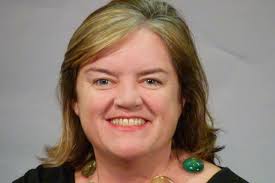
Introduction: Why Baroness Casey matters
Baroness Casey has taken a prominent role in the national conversation on social care and welfare. As Chair of the Independent Commission into Adult Social Care, her leadership is significant for policymakers, service providers and the public because the commission’s work addresses how the state supports vulnerable adults. Her background as an independent adviser on social welfare and as Chair of the Institute of Global Homelessness underlines the practical experience she brings to the role.
Main body: Experience and roles
Public service and advisory roles
Louise Casey, formally The Baroness Casey of Blackstock DBE CB, has worked across government for a number of years. She has been an independent adviser on social welfare and has served as Government Lead Non‑Executive Director. Her career has seen collaboration with six Prime Ministers on issues including homelessness, anti‑social behaviour, troubled families, child sexual exploitation and social integration. These responsibilities reflect a long engagement with complex social problems affecting families and vulnerable people.
Leadership positions and honours
Baroness Casey is Chair of the Institute of Global Homelessness, a role that complements her domestic work on homelessness and social welfare. Her public service has been recognised with national honours: she was awarded the Companion of the Order of the Bath (CB) in the Queen’s Birthday Honours list of 2008 and made a Dame Commander of the Order of the British Empire (DBE) in 2016 for services to families and vulnerable people. She was appointed as a crossbench peer in the House of Lords in 2020 and formally took up that position in September 2021.
Conclusion: Significance and outlook
Baroness Casey’s appointment as Chair of the Independent Commission into Adult Social Care brings experience in homelessness, family support and social integration to a high‑profile review of adult social care. Her blend of advisory roles, leadership posts and government experience suggests the commission will draw on both practical service insights and policy expertise. For readers, the commission’s findings could influence future debates and decisions about how the UK supports vulnerable adults and addresses related social challenges.