Morgan Freeman: A Career of Distinguished Screen Acting
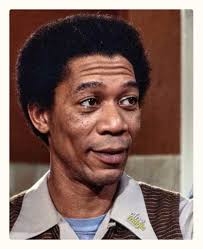
Introduction: Why Morgan Freeman Matters
Morgan Freeman is one of the most recognisable figures in American cinema. Born in Memphis, Tennessee on 1 June 1937, his career spans decades and a wide range of screen and stage work. Freeman’s voice, presence and versatility have made him a touchstone for both critics and audiences, and examining his achievements helps explain his continuing cultural relevance.
Main body: Career Highlights and Recognition
Early life and rise
Born in Memphis in 1937, Freeman built a career that ranges from stage to screen. Over many years his name has become synonymous with distinguished acting, a reputation affirmed by peers, critics and institutions.
Achievements and critical standing
Freeman is an Academy Award-winning actor whose work has been described as both critically and commercially successful. The American Film Institute selected him as the recipient of its 39th Life Achievement Award, citing a body of work that spans heroes and villains, sidekicks and leading men. Such recognition from AFI reflects the breadth and longevity of his contributions to film and theatre.
Theatre and critical praise
Freeman’s stage work has also drawn acclaim. Returning to Broadway, his performance as Zeke in Richard Wesley’s The Mighty Gents earned him a Tony nomination and the New York Drama Desk Award for Best Actor. His stage success complements his film achievements and underscores his versatility as a performer.
Critical debate
Freeman’s standing in the acting pantheon has prompted high-profile critical questions. Notably, Pauline Kael asked in the New Yorker, “Is Morgan Freeman the greatest American actor?” Such commentary highlights the esteem in which his peers and critics hold him.
Conclusion: Legacy and significance
Morgan Freeman’s career—marked by an Academy Award, major institutional honours such as the AFI Life Achievement Award, and acclaimed stage performances—illustrates a sustained artistic achievement. For readers, his trajectory demonstrates how longevity, range and critical recognition combine to shape an actor’s legacy. As institutions and critics continue to reflect on American cinema, Freeman’s body of work remains a central reference point for discussions of craft, versatility and influence.





