Water cremation: What is alkaline hydrolysis?
Introduction: Why water cremation matters
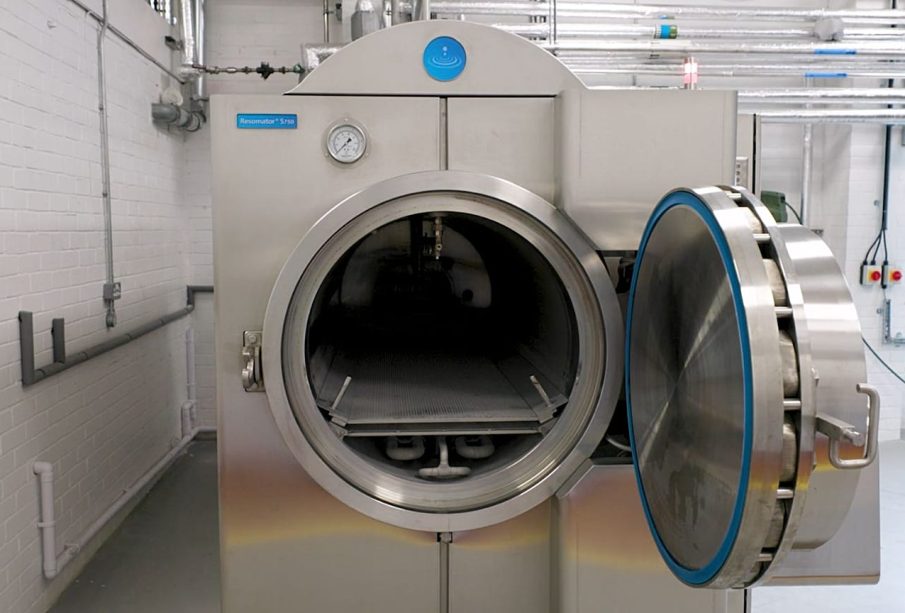
Water cremation, also known as alkaline hydrolysis, aquamation or resomation, is an emerging alternative for the final disposition of human and animal remains. Its relevance stems from ongoing debates about options beyond traditional burial and flame cremation. Understanding what water cremation involves and the responses it provokes is important for families, funeral professionals and policymakers considering its adoption.
How water cremation works
Water cremation is a process that uses an alkaline solution, commonly described as lye, combined with heat to transform human or animal remains. In this process the body is dissolved into a liquid through chemical hydrolysis, producing a liquid effluent and skeletal remains. Descriptions of the procedure identify it as an alternative to burial, conventional cremation, or practices such as sky burial. The terminology used for the process includes “alkaline hydrolysis,” “hydrolysis,” “aquamation” and “resomation,” and it is frequently referred to simply as water cremation.
Legal and religious responses
Water cremation has prompted legal and religious scrutiny in the United States. The Catholic Church in the United States does not approve of alkaline hydrolysis as a method of final disposal of human remains. When alkaline hydrolysis was proposed for use in New York State in 2012, the New York State Catholic Conference publicly condemned the practice, arguing that hydrolysis does not show sufficient respect for the teaching of the intrinsic dignity of the human body. Separately, the New Hampshire General Court in 2008 moved to prohibit the disposal of human remains through a reductive process utilising alkaline hydrolysis, and established a committee to examine the practice of resomation; the legislative action was titled “Relating to the cremation of human remains by alkaline hydrolysis.” These responses illustrate that water cremation faces both institutional and statutory challenges in some jurisdictions.
Conclusion: Significance and outlook
Water cremation represents a distinct method of transforming human and animal remains and is part of broader conversations about funerary options. The documented positions of religious authorities and legislative bodies indicate that acceptance is uneven and likely to be shaped by ethical, cultural and legal considerations. For readers weighing options, the current landscape suggests that availability and approval of water cremation will depend on local regulation and institutional stances in the coming years.





