South West Water: Lawsuits, Regulator Probe and Technology Response
Introduction: Why south west water matters
South West Water provides essential water supply and wastewater treatment services across Devon and Cornwall and in parts of Dorset and Somerset. The performance of the company affects public health, coastal bathing water quality and local economies dependent on tourism and recreation. Recent legal and regulatory developments, alongside operational responses, make the company’s actions of clear public interest for residents, visitors and stakeholders in the region.
Main developments and background
Corporate history and footprint
South West Water traces its roots to the South West Water Authority, formed under the Water Act 1973 as one of ten regional water authorities. The company in its current private form was established in 1989 following the privatisation of the water industry and is part of the Pennon Group. In April 2016 the business of Bournemouth Water was merged into South West Water, expanding its operational footprint.
Widening legal action and regulator inquiry
A lawsuit over sewage pollution that began in the Exmouth area is being expanded. Law firm Leigh Day is opening the claim to include residents from Dawlish, Sidmouth and Teignmouth in Devon, and Newquay and Penzance in Cornwall. Leigh Day has said those affected by sewage spills are eligible to join the action, and described SWW’s failings as “wide and entrenched in many coastal towns across the Devon and Cornwall region.” One claimant, a retired physiotherapist, said frequent spills had prevented her from using local beaches for the physical and mental-health benefits of swimming.
Ofwat, the water industry regulator, carried out a 2025 investigation into South West Water’s management of wastewater treatment works and sewer networks, which has been highlighted in the unfolding legal action.
Operational responses and technology
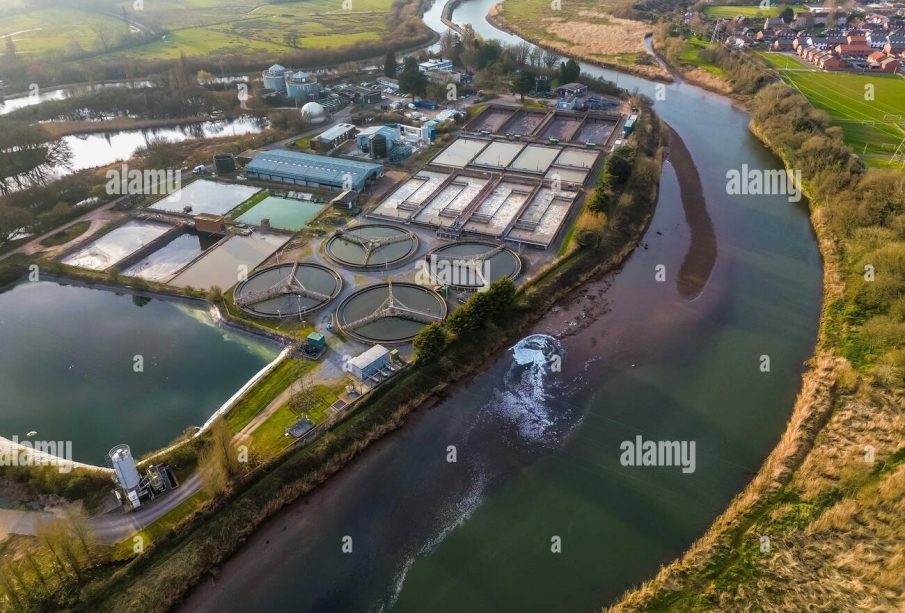
South West Water has publicly stated its commitment to bathing water quality: “Like all our customers, we care deeply about the quality of our region’s bathing waters,” a company spokesperson said. The company is also exploring technological responses. A cloud-based analytics wastewater solution has been presented as a tool to help improve sewage treatment and address pollution by offering better data-driven management of treatment processes and networks.
Conclusion: Significance and outlook
The combination of legal claims, regulatory scrutiny and investment in analytics underscores a pivotal moment for south west water. For local communities, the outcome will influence water quality, recreational use of coasts and confidence in local services. For the company, effective use of technology alongside operational improvements will be key to addressing regulators’ concerns and the grievances driving legal action.





