Old Firm: Derby drama and shifting power in Scottish football
Introduction
The Old Firm rivalry between Celtic and Rangers remains one of the most consequential fixtures in Scottish football. Beyond derby nights, recent seasons have shown shifts on and off the pitch that affect league races, cup competitions and the growing profile of the women’s game. Understanding these developments matters to supporters, neutral observers and anyone tracking the balance of power in Scotland’s game.
Main developments and recent events
Men’s football: derby results and competitive pressure
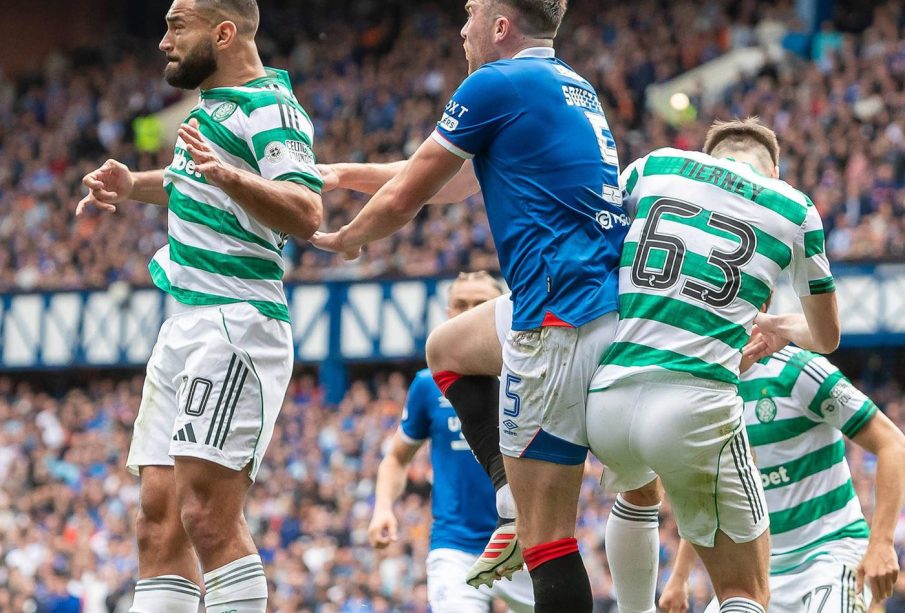
The derby rivalry continues to produce high-stakes encounters. A recent Old Firm match at Ibrox produced a thrilling 2-2 draw, a result that left both teams scrambling as domestic competition tightens. Commentary from the BBC has framed this period as a derby “like no other,” noting that both clubs are playing catch-up while being challenged by rivals such as Motherwell and coping with significant off-field pressures and existential crises.
Women’s game: shifting titles and rising attendances
The landscape in the women’s game has also evolved markedly. In 2017–18 Celtic dominated the Old Firm fixtures and domestic cups, winning three league meetings against Rangers, lifting all three domestic trophies and contesting a Scottish Cup semi-final. More recently, Rangers made a breakthrough by winning the SWPL title in 2021–22, while Celtic defeated Glasgow City to claim the Scottish Women’s Cup and the SWPL Cup in that period.
The following season saw Rangers win their first SWPL Cup to start the campaign. By the end of that season, crowds of over 10,000 attended final league fixtures at both Celtic Park and Ibrox, underlining growing interest. Glasgow City ultimately regained the championship in dramatic circumstances, fending off increasingly well-funded rivals. The season concluded with the first Old Firm cup final in the women’s game — and the first to be held at the national stadium, Hampden — where Celtic retained the trophy to cap a notable chapter for the women’s rivalry.
Conclusion and significance
The Old Firm remains central to Scottish football, but recent seasons show a more complex picture: derby results are no longer isolated spectacles and both clubs face on-pitch competition, financial and organisational challenges, and a changing women’s landscape. For supporters and followers, this means the Old Firm’s future is likely to be defined not only by traditional rivalries but also by competitive parity, rising attendances in the women’s game and broader pressures reshaping each club’s trajectory.





