Alan Pace: Burnley owner completes Espanyol takeover
Introduction: Why the takeover matters
The recent acquisition of RCD Espanyol by the group controlled by the burnley owner, Alan Pace, highlights a growing trend of cross-border, multi-club investment in football. This development is significant for fans, local communities and the wider business of the sport because it can reshape transfer strategies, commercial partnerships and club governance while raising questions about identity and independence.
Main details of the deal
Who is behind the purchase
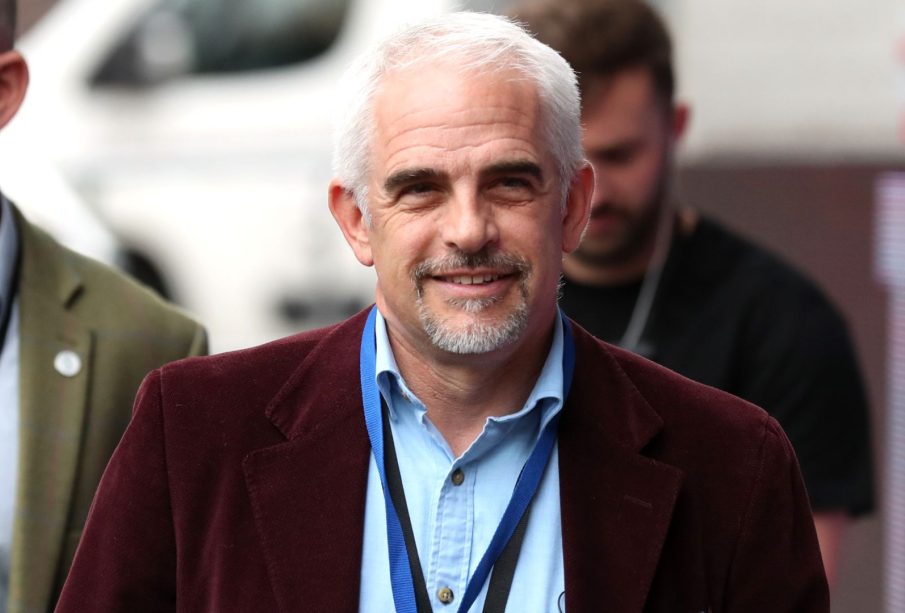
Alan Pace (born 11 August 1968) is an American businessman who serves as owner and chairman of Burnley Football Club. Pace leads ALK Capital and its sports investment arm, Velocity Sport Limited (VSL), which has completed the purchase of a majority stake in Spanish top-flight club Espanyol.
Terms and timing
ALK reached a deal for Espanyol in July and has now finalised the acquisition, reportedly paying €130 million (around US$150 million) for a 99.66 per cent stake. The completion marks ALK’s first step into a multi-club ownership model and positions the group alongside other investors who control clubs in both LaLiga and the Premier League.
Approach to club identity and governance
The new ownership has emphasised that each club will retain its own leadership and operational independence. As stated by the group, ‘Each club will retain its own leadership, identity, independence and decision-making, run by its own people, for its own supporters.’ The owners also argue that a multi-club model ‘when done with respect, can strengthen local identity rather than threaten it.’
Conclusion: Implications and outlook
For supporters of Burnley and Espanyol, the takeover suggests potential new investment, shared expertise and commercial opportunities, but it also places importance on maintaining local control and club culture. As ALK Capital’s move into multi-club ownership is a first step, observers should watch for how the two clubs align on scouting, player development and commercial strategy while remaining operationally distinct. The long-term impact will depend on how the owners balance resource-sharing with respect for each club’s identity.





