Iftar Time Today: How to Check and Why It Matters
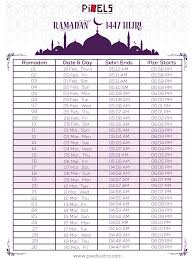
Introduction — why iftar time today matters
Iftar time today marks the end of the daily fast for millions of Muslims around the world and is tied to the Maghrib prayer, which occurs at sunset. Knowing the correct iftar time is important for religious observance, family and community planning, and health considerations. With varying local conditions, time zones and methods of calculation, accurate, up-to-date information helps people break their fast at the appropriate moment.
Main body — how iftar time is determined and where to check
Maghrib and astronomical basics
Iftar time coincides with Maghrib, the prayer that begins at sunset. Astronomically, this is the instant the upper limb of the Sun disappears below the horizon. Many timetables base Maghrib on precise sunset calculations using the observer’s latitude, longitude and local time zone.
Local variations and legal/official methods
Different communities and religious authorities may publish timetables that rely on either direct observation of the sunset or on standardised astronomical calculations. National Islamic councils, local mosques and recognised prayer-timetable publishers often issue daily schedules for cities and towns. In countries that observe daylight saving, iftar times shift accordingly with the clocks.
Special cases: high latitudes and adjustments
In high-latitude regions where the Sun does not set or twilight persists for long periods in summer or winter, councils may adopt alternative rules (for example, following the nearest city with a normal night or using a fixed-angle method). These adjustments are communicated by local religious authorities and should be followed where applicable.
Practical ways to check iftar time today
- Consult your local mosque or Islamic centre timetable.
- Use reputable prayer-time websites and smartphone apps that use your location to calculate Maghrib.
- Check official publications from national Islamic organisations or community notices.
Conclusion — what readers should take away
To observe iftar correctly, confirm the Maghrib time for your specific location each day, especially when travelling or during clock changes. Rely on trusted local sources—mosques, recognised councils or well-established apps—and set reminders so you break your fast at the proper time. For communities in exceptional locations, follow guidance issued by local religious authorities to ensure correct practice.





