Tracey Emin and her influence on contemporary British art
Introduction
Tracey Emin remains one of the most prominent and debated figures in contemporary British art. Her work, often intensely personal and unapologetically candid, has played a key role in shaping public conversations about memory, trauma, sexuality and the limits of autobiographical expression in art. Understanding her practice is important for readers interested in how contemporary art intersects with social debate, market forces and museum programming.
Main body
Background and notable works
Rising to public attention in the 1990s as part of a broader generation of British artists, Tracey Emin has worked across drawing, painting, sculpture, film, photography, neon text and installation. One of her best-known works, My Bed, presented an unmade bed surrounded by personal detritus and provoked intense critical and public response when it was shown and subsequently shortlisted for a major national prize. That work, and others, established Emin’s reputation for transforming intimate material into public artefact.
Themes and reception
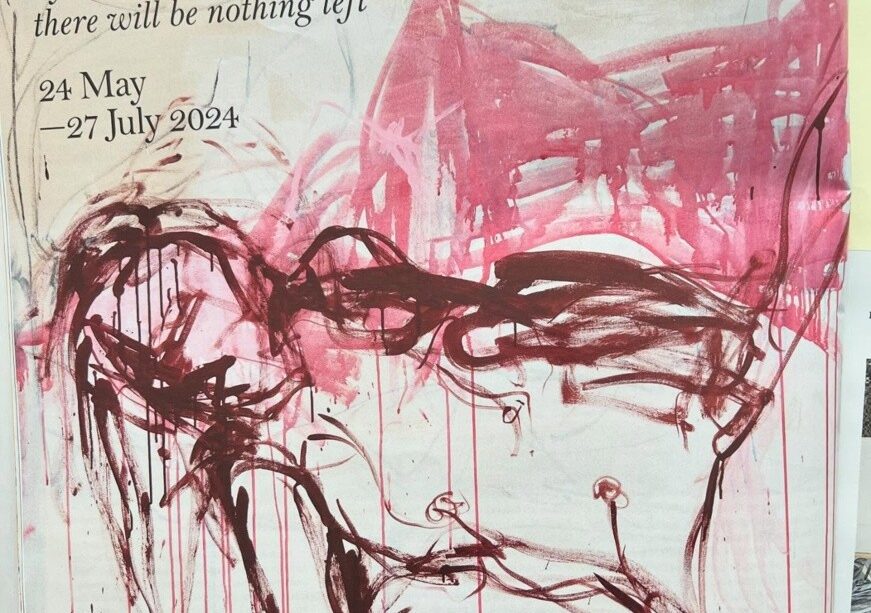
Emin’s practice is notable for its autobiographical frankness. Recurring themes include intimacy, loss, desire and the aftermath of trauma. Her neon-text pieces, and embroidered or textile works, distil private statements into public slogans, inviting both empathy and controversy. Responses to her work have ranged from admiration for emotional directness to debate about the boundaries between confession and exhibitionism. That ongoing debate has itself been central to her cultural significance.
Exhibitions and public engagement
Emin’s work has been shown in museums and galleries, and it continues to feature in public collections and exhibition programmes. Her practice has crossed into public commissions and publications, and her profile has influenced curators, collectors and younger artists. The dialogue around her work also highlights wider questions about the role of personal narrative in contemporary art and how institutions present and contextualise challenging material.
Conclusion
Tracey Emin’s influence endures because her work persistently engages audiences on personal and societal levels. As museums and the market continue to reassess contemporary holdings, Emin’s practice is likely to remain a touchstone for debates about authenticity, memory and the politics of self-representation. For readers, her career offers a case study in how art can provoke discussion and reflect changing cultural values.





