F-22 Raptor: Status, Capabilities and Strategic Role
Introduction: Why the F-22 Raptor matters
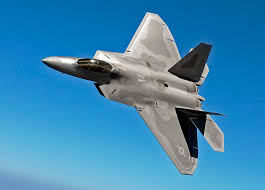
The F-22 Raptor is a fifth‑generation stealth fighter that remains central to discussions about air superiority and high-end deterrence. As air forces worldwide modernise, the Raptor’s combination of low observability, sensor fusion and high performance continues to influence doctrine, alliance planning and procurement choices. Understanding the F-22’s capabilities and current status is important for readers tracking defence readiness and strategic balance.
Main body: Capabilities, service and current issues
Design and core features
Built by Lockheed Martin with Boeing as a principal partner, the F-22 was designed primarily as an air superiority fighter with secondary ground‑attack and electronic warfare roles. Key attributes include stealthy shaping and materials, integrated avionics and sensor fusion, thrust‑vectoring engines that aid super‑maneuverability, and the ability to supercruise — sustained supersonic flight without afterburner.
Service history and employment
The F-22 first flew in 1997 and entered operational service with the United States Air Force in the mid‑2000s. Since then it has been employed for homeland defence, allied training exercises and regional deterrence patrols. The aircraft is not exported: U.S. law and policy have restricted sales of the F-22 to foreign governments.
Sustainment and modernisation
Operational fleets require significant sustainment effort. Maintenance complexity and lifecycle costs are widely acknowledged challenges; the USAF has prioritised upgrades to avionics, sensors and mission systems to keep the fleet effective against evolving threats. Modernisation work aims to preserve the Raptor’s edge while integrating it into a broader family of systems including fifth‑generation and next‑generation platforms.
Conclusion: Outlook and significance for readers
The F-22 Raptor remains a potent symbol of high‑end air combat capability and a practical asset for deterrence. While costly to sustain, ongoing upgrades and integration with allied exercises ensure it will remain relevant for years to come. For policy makers and defence observers, the Raptor underscores the trade‑offs between cutting‑edge capability and affordability, and it will continue to influence decisions as the USAF transitions toward future platforms such as the F‑35 and next‑generation systems.





