What is a Data Breach: A Clear Guide
Introduction: Why the question ‘what is a data breach’ matters
Data breaches have become a routine headline because they affect privacy, money and trust. Understanding what a data breach is and why it matters helps individuals, businesses and public bodies reduce harm and react quickly when incidents occur. This short news-style explainer outlines the core facts, typical causes and recommended responses.
What is a data breach?
A data breach occurs when personal, financial or confidential information is accessed, disclosed, altered or destroyed without authorisation. That can include names and contact details, identity documents, bank details, health records or commercial secrets. A breach can be deliberate, such as a cyber attack, or accidental, such as misdirected emails or lost devices.
How breaches typically happen
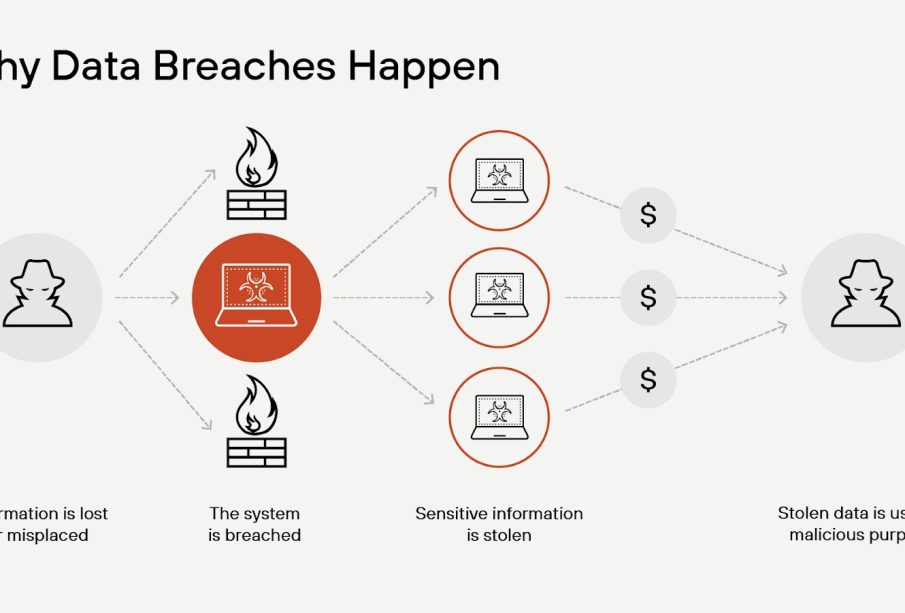
Breaches arise from a range of failures in people, processes or technology. Common pathways include compromised login credentials, phishing and social engineering, insecure or outdated software, poor access controls, and human error like sending data to the wrong recipient. Third-party suppliers and cloud misconfigurations can also expose data if controls are weak.
Immediate effects and wider consequences
Immediately, affected individuals may face fraud, identity theft or reputational harm. Organisations can suffer operational disruption, financial loss and damage to customer trust. In many jurisdictions, data protection obligations require organisations to assess incidents and notify regulators and affected people when risk is significant.
How organisations and individuals should respond
Rapid, measured action reduces damage. Organisations should contain the incident, preserve evidence, assess what was exposed, and communicate clearly with regulators, affected individuals and stakeholders. Individuals who suspect their data has been exposed should change passwords, monitor financial accounts and follow advice from the organisation involved.
Conclusion: Significance and outlook
Knowing what a data breach is enables better prevention and response. As digital services expand, the likelihood and potential impact of breaches grow, making basic cyber hygiene, robust organisational policies and transparent incident handling essential. For readers, staying informed and responsive can limit harm and reinforce trust in the services they use.





