A 2024 Update on the World’s Tallest Buildings
Introduction: Why the world’s tallest buildings matter
The world’s tallest buildings capture public imagination and reflect broader trends in engineering, economics and urban policy. Skyscrapers symbolise national ambition, drive tourism through observation decks and often act as hubs for offices, hotels and residences. Tracking the world’s tallest buildings provides insight into where investment, technology and planning are concentrated.
Main body: Current rankings and recent developments
Top completed towers
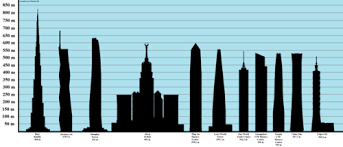
As of 2024, the clear leader remains the Burj Khalifa in Dubai, standing at 828 metres. Recent years have reshaped the upper ranks: Merdeka 118 in Kuala Lumpur, completed and topping out at about 679 metres, ranks among the highest. Shanghai Tower in China follows at 632 metres. Other major entries include the Makkah Royal Clock Tower (about 601 metres) and the Ping An Finance Centre in Shenzhen (about 599 metres). These towers are measured by architectural height, which counts spires but excludes temporary antennas; alternative measures—such as highest occupied floor or tip height—can change relative positions.
Notable stalled and proposed projects
Ambitious projects remain in planning or paused. Jeddah Tower in Saudi Arabia, long projected to exceed 1,000 metres, remains unfinished after construction slowed. Such pauses highlight the financial, logistical and regulatory challenges of ultra-tall construction.
Geography and function
Asia and the Middle East lead current skyscraper construction, with China, Malaysia, the United Arab Emirates and Saudi Arabia among the most active markets. Modern supertalls increasingly combine mixed uses—offices, hotels, residential units and public observation spaces—while developers and cities face growing pressure to incorporate sustainability and resilience measures into these high-profile projects.
Conclusion: Significance and outlook for readers
The world’s tallest buildings continue to be barometers of technological capability and economic confidence. While fewer projects now aim to break distance records without clear economic rationale, expect continued refinement: towers that prioritise mixed use, improved environmental performance and urban integration. For readers, the skyline remains a visible sign of where investments and ambitions are concentrated—worth watching for tourism, property market signals and advances in construction technology.





