How a Food Waste Recycling Bin Can Cut Household Waste and Emissions
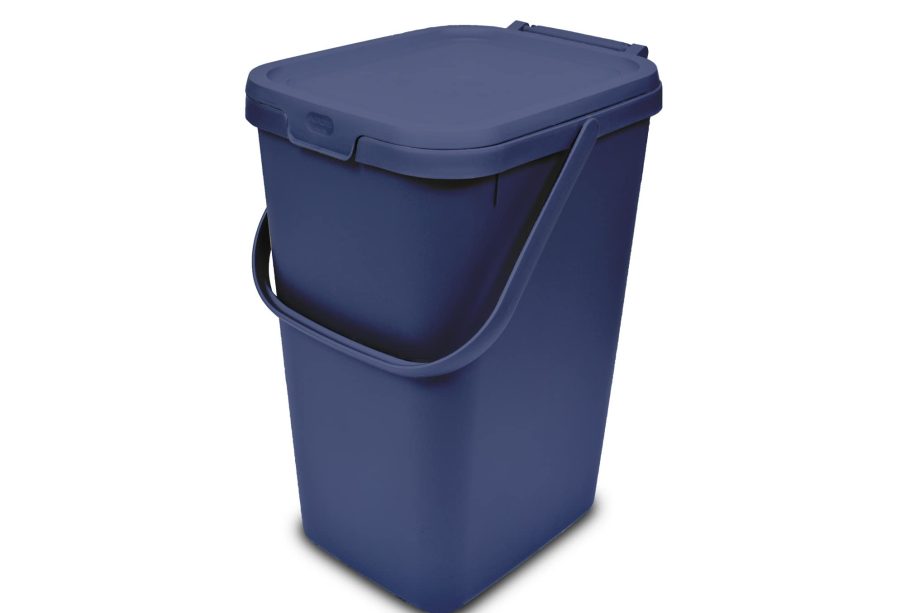
Introduction: Why a food waste recycling bin matters
Household food waste is a visible symptom of broader environmental and resource challenges. A food waste recycling bin offers a straightforward way for residents to separate kitchen organics from general rubbish, reducing the volume sent to landfill and lowering greenhouse gas emissions. As councils and waste operators seek to meet carbon and circular economy goals, the food waste recycling bin is becoming an increasingly relevant tool for everyday waste reduction.
Main body: What the bins are and how they work
What is a food waste recycling bin?
A food waste recycling bin is a container designated for compostable kitchen scraps such as fruit and vegetable peelings, tea bags, coffee grounds, cooked food, and some food-soiled paper. These bins are collected separately from mixed recycling and residual waste and are processed via in-vessel composting, anaerobic digestion, or industrial composting facilities to create compost or biogas.
Collection and processing
Local authorities or private waste contractors typically provide a dedicated caddy for indoor use and a larger outdoor bin for collection. Collections may be weekly or fortnightly depending on local schemes. Once collected, material is treated to eliminate pathogens and contaminants, and valuable outputs such as compost or renewable energy are recovered.
Benefits and practical points
Using a food waste recycling bin can reduce landfill volumes, cut methane emissions associated with anaerobic decomposition in landfill sites, and return nutrients to soils when produced compost is used. To be effective, participation and proper sorting are essential: avoid placing plastics and non-compostable packaging in the bin, and use liners or empty the caddy regularly to manage odours.
Conclusion: Significance and future outlook
The food waste recycling bin is a practical step households can take to contribute to waste reduction and climate objectives. Wider adoption depends on clear local guidance, reliable collection services and public awareness. For readers, simple actions — separate food scraps, follow your council’s rules, and reduce overall food waste at source — make the bin more effective and help turn everyday kitchen leftovers into useful resources.





