Prince Edward’s evolving role as Duke of Edinburgh
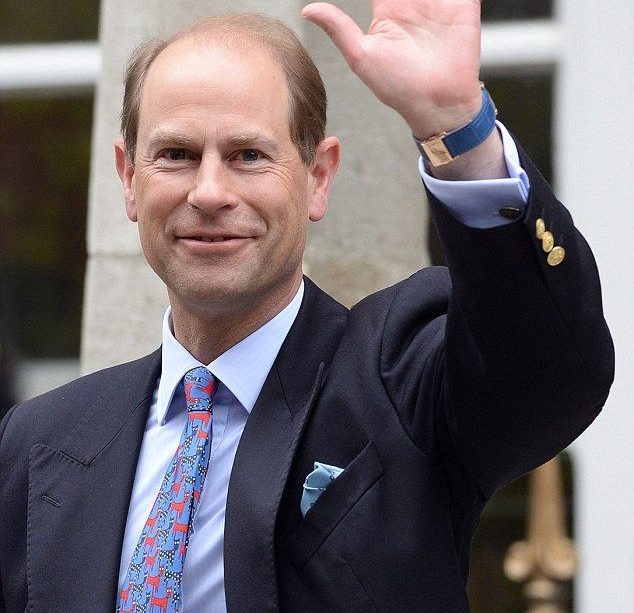
Introduction: Why Prince Edward matters
Prince Edward, the youngest child of the late Queen Elizabeth II, holds a visible and practical place within the British royal family. His work with charities, cultural organisations and youth schemes — notably the Duke of Edinburgh’s Award — makes his role important to public life across the UK and the Commonwealth. Recent years have seen Edward take on new responsibilities and titles, reinforcing his relevance to national civic and charitable efforts.
Main body: Background, duties and recent developments
Background and family
Born on 10 March 1964, Prince Edward married Sophie Rhys-Jones in 1999. The couple have two children, Lady Louise and James. Over the past decades Edward has combined royal duties with interests in the arts and media; earlier in his career he worked in television production and later focused increasingly on official engagements and patronages.
Title changes and public responsibilities
Following the accession of King Charles III and wider adjustments within the royal household, Edward was created Duke of Edinburgh, taking on a title long associated with public service and youth development. He is closely associated with the Duke of Edinburgh’s Award, an established youth development programme that operates across the UK and internationally, and his stewardship of the title has concentrated attention on efforts to sustain and modernise that legacy.
Charitable and civic work
Prince Edward supports a range of cultural, educational and charitable organisations. His public engagements typically emphasise vocational training, youth opportunity and support for voluntary organisations. He also holds honorary military appointments and often represents the royal family at civic and commemorative events, reinforcing links between the monarchy, service organisations and local communities.
Conclusion: Outlook and significance for readers
As Duke of Edinburgh, Prince Edward is likely to remain a steady public figure focused on practical service rather than high-profile politics or controversy. For readers, his work matters because it affects youth training schemes, charitable funding and community outreach across the UK. Observers can expect continued emphasis on the Duke of Edinburgh’s Award, cultural patronage and regional engagements as he sustains the public-facing duties associated with his title.





