HSBC share price: what investors should know
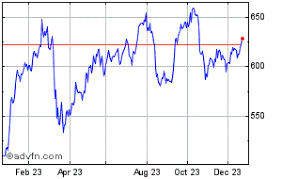
Introduction: Why the HSBC share price matters
The HSBC share price is closely watched by investors because the bank is one of the world’s largest and most internationally diversified financial institutions. Movements in its share price often reflect wider market views on global economic growth, interest-rate expectations and the outlook for banking across Asia, Europe and the Americas. For retail and institutional investors alike, HSBC’s stock is seen as a barometer of how major banks are positioned for rising rates, trade flows and regional risk.
Main developments and driving factors
Macro and rate environment
Interest-rate expectations remain a central influence on the HSBC share price. Banks typically benefit from a steeper interest-rate environment that widens net interest margins, but the timing and durability of rate rises — or cuts — change investor estimates for future profits. Inflation trends and central-bank guidance in the UK, US and major Asian economies therefore feed directly into analyst models for HSBC.
Regional exposure and business mix
HSBC’s significant exposure to Asia, particularly Greater China, means its share price is sensitive to economic data from the region, trade tensions and policy signals from Chinese authorities. At the same time, its UK and global wholesale banking operations create sensitivity to European growth and global corporate lending conditions.
Dividends, capital and shareholder returns
Dividend policy, share buybacks and capital ratios are key to how investors value HSBC’s shares. Expectations around payouts and management decisions on capital allocation can drive short-term moves in the HSBC share price as yield-seeking investors weigh income against balance-sheet strength.
Geopolitical and regulatory risks
Geopolitical developments and regulatory changes — including compliance, conduct rulings or cross-border restrictions — can alter investor sentiment quickly. Market pricing of these risks is often reflected in volatility around the HSBC share price.
Conclusion: What to watch next
Investors tracking the HSBC share price should focus on upcoming earnings, guidance on net interest margins, dividend announcements and regional macro data from Asia and Europe. Given the bank’s size and scope, shifts in global growth expectations or major policy moves will likely remain the principal drivers of the stock in the near term. For longer-term investors, capital allocation and structural strategy for growth in Asia will be decisive for future returns.





