Bryan Cranston: From Walter White to Stage and Screen
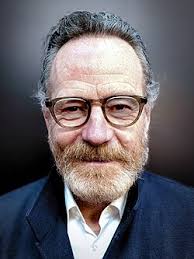
Introduction
Bryan Cranston remains one of the most recognisable and influential actors of his generation. Best known for his transformative performance as Walter White in the drama series Breaking Bad, Cranston’s career spans television, film and theatre. His work is widely discussed not only for its artistic merit but for its cultural impact, making developments in his career relevant to fans, industry observers and cultural commentators alike.
Main developments and career highlights
Bryan Cranston, born in March 1956, rose to prominence in the 1990s and 2000s with roles that displayed his range. He earned mainstream recognition playing Hal, the affable father on the comedy Malcolm in the Middle, before delivering the searing dramatic turn as chemistry teacher turned methamphetamine manufacturer Walter White, a role that changed how television anti‑heroes are written and perceived.
Cranston is an Emmy‑ and Tony‑winning actor whose work has been acknowledged across mediums. On television he has been honoured for his performances and has expanded his creative footprint by directing and producing episodes and projects. On stage, he has taken on demanding roles in major productions, reinforcing his reputation as a versatile performer who can move between screen and theatre with authority.
In film, Cranston has appeared in a range of projects from biographical drama to large‑scale studio pictures. He has collaborated with acclaimed directors and contributed to both independent and mainstream cinema, demonstrating a continued appetite for challenging material. Beyond acting, Cranston has engaged in public speaking and occasional political and social commentary, reflecting a willingness to use his profile for broader conversations.
Conclusion and outlook
As Bryan Cranston continues to choose diverse roles and projects, his influence on contemporary acting and storytelling is likely to persist. For audiences, his career offers a template for longevity built on range and risk‑taking; for the industry, he represents a performer who can anchor prestige television, headlining films and lead theatrical productions. Observers can expect Cranston to remain active across platforms, taking on roles that further test his craft and contribute to his status as a defining actor of his era.