The First FIFA World Cup: Uruguay 1930 — Origins and Legacy
Introduction: Why the first FIFA World Cup matters
The first FIFA World Cup, organised in 1930, marked a turning point in international football. As the inaugural global tournament overseen by FIFA, it established a recurring, codified competition that would come to define national pride and sporting diplomacy. Held in Uruguay, the event was important both for sporting reasons — crowning a world champion — and for cultural ones, helping to popularise football across continents.
Main body: Events, facts and figures from Uruguay 1930
Host selection and context
FIFA chose Uruguay as host in part because the country was celebrating the centenary of its first constitution and because Uruguay had won Olympic football tournaments in 1924 and 1928. The tournament ran from 13 to 30 July 1930. Travel by sea and cost limited European participation; nevertheless four European teams made the journey.
Participants and format
Thirteen teams took part: seven from South America (Argentina, Bolivia, Brazil, Chile, Paraguay, Peru, Uruguay), two from North America (Mexico, United States) and four from Europe (Belgium, France, Romania, Yugoslavia). The competition used a group stage followed by knockout rounds, reflecting organisational choices that would evolve in later tournaments.
Key matches and outcomes
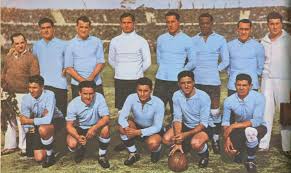
The tournament concluded at the newly built Estadio Centenario in Montevideo on 30 July 1930. Uruguay defeated Argentina 4–2 in the final before an estimated crowd of around 93,000, securing the first official world title. Argentina’s Guillermo Stábile finished as top scorer with eight goals. Jules Rimet, then FIFA President, played a central role in promoting the event, which he envisioned as an international championship beyond the Olympic framework.
Conclusion: Legacy and significance
The first FIFA World Cup set a template for international football tournaments and demonstrated football’s potential to unite diverse nations in competition. Its success in Uruguay led FIFA to institutionalise the World Cup as a quadrennial event (with interruptions during World War II). For readers today, the 1930 tournament is a reminder of how early sporting initiatives shaped modern global sport, and it remains the origin point for a competition now watched by billions worldwide.





