Kirsty Coventry: From Olympic champion to advocate for youth sport
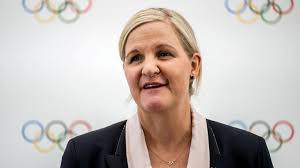
Introduction: Why Kirsty Coventry matters
Kirsty Coventry is one of Zimbabwe’s best-known sporting figures and a prominent voice on the role of sport in national development. Her transition from world-class athlete to public advocate has made her a focal point in discussions about youth development, national pride and the long-term benefits of investing in sport. Coventry’s profile gives weight to debates about facilities, coaching, and pathways for young athletes across Zimbabwe and the African continent.
Main body: Achievements and public engagement
Coventry rose to international prominence as an elite swimmer, winning multiple Olympic medals at the Athens and Beijing Games. Her success on the global stage made her a symbol of sporting excellence in a country with limited resources for elite sport. Following her competitive career she moved into roles that blend sports administration and public service, using her experience to highlight challenges facing aspiring athletes.
In her public statements and engagements she has repeatedly emphasised the importance of grassroots development: better school sport programmes, improved coaching education, and sustainable investment in community facilities. Coventry has also spoken about the need for clear talent identification pathways so that promising youngsters can access training and competition without the financial barriers that often halt progress.
Her profile has helped draw attention to cross-cutting issues such as gender equality in sport, anti-doping education and the value of sport for social cohesion and mental health. Coventry’s advocacy has been directed at a range of stakeholders — from government ministries and national sporting bodies to international federations and private partners — calling for collaborative approaches to long-term planning rather than short-term fixes.
Conclusion: Significance and outlook
Kirsty Coventry’s blend of elite sporting experience and public advocacy gives her a platform that can influence policy and public opinion. For readers, the significance is twofold: Coventry’s story underlines how individual achievement can inspire national conversations, and it highlights practical priorities for anyone interested in developing sport at scale — investment in youth, coach education and sustainable facilities.
Looking ahead, continued engagement by high-profile former athletes like Coventry is likely to keep sport near the centre of conversations about youth opportunity and national development in Zimbabwe and beyond. Her example suggests that sporting success can translate into civic leadership that drives longer-term benefits for communities.





