Owen Wilson: Profile of the actor and his notable films
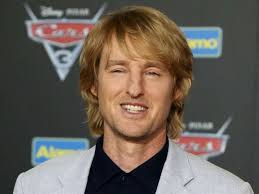
Introduction: Why Owen Wilson matters
Owen Wilson is an American actor whose distinctive delivery and easygoing persona have made him a familiar presence in contemporary film. From independent debuts to mainstream comedies and animated franchises, Wilson’s work is relevant to audiences and industry observers interested in comic performance, collaborations between actors and auteurs, and the crossover between independent and studio cinema.
Main body: Career highlights and context
Early life and breakthrough
Born in Dallas in 1968, Wilson entered film in the 1990s and quickly became associated with a new generation of independent filmmakers. His early lead in Bottle Rocket (1996) introduced his deadpan, off‑kilter humour and established a creative partnership with director Wes Anderson that would be revisited across subsequent projects.
Collaborations and notable roles
Wilson has balanced work in auteur cinema with mainstream comedies. He appeared in The Royal Tenenbaums (2001) and later gained widespread recognition with Wedding Crashers (2005), a box‑office success that showcased his comic timing. He also took a leading role in Woody Allen’s Midnight in Paris (2011), a film that broadened his dramatic range while keeping his comic sensibilities at the forefront.
Voice work and family connections
Beyond live action, Wilson’s voice work as Lightning McQueen in Pixar’s Cars franchise has brought his presence to family audiences worldwide. He is part of a family of actors — his brothers Luke and Andrew Wilson have also worked in film — and that familial link has occasionally translated into on‑screen collaborations.
Recent trajectory
Through the 2010s and into the 2020s Wilson has continued to appear in a mix of comedies, dramas and voice projects, maintaining visibility while navigating the changing landscape of film and streaming platforms.
Conclusion: Significance and outlook
Owen Wilson’s career illustrates how a distinctive persona can serve both auteur cinema and commercial success. His collaborations, comic style and voice roles have given him a versatile profile that remains relevant to contemporary audiences. For viewers, Wilson offers familiar comic comfort; for the industry, he represents a performer able to move between independent sensibilities and large‑scale productions. His ongoing work will be watched for further examples of that balance.





