Willie Colón — Pioneer of Salsa and Urban Sound (willie colon)
Introduction: Why Willie Colón matters
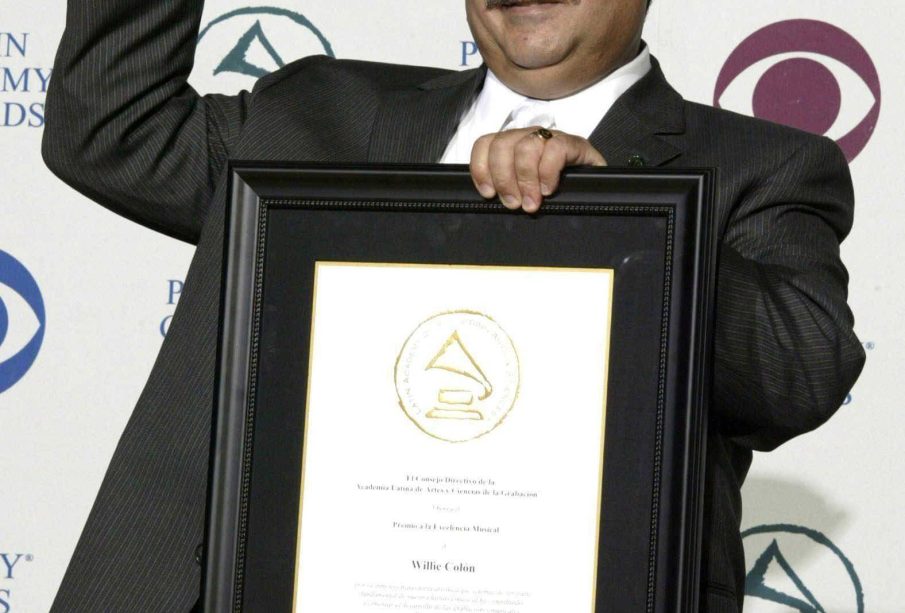
Willie Colón is a central figure in the story of salsa. Born in the South Bronx on 28 April 1950, Colón became known as a trombonist, bandleader, composer and cultural voice for Latin communities in New York and beyond. His work helped define the sound and image of salsa in the late 20th century, making him relevant to students of music history, Latin American culture and urban arts today.
Main body: Career, collaborations and influence
Early life and rise
Of Puerto Rican descent and raised in New York City, Colón emerged in the 1960s and 1970s as a distinctive musician who fused Afro-Latin rhythms with streetwise urban themes. His trombone-led arrangements and gritty stage persona marked a departure from earlier orchestral styles and helped popularise a harder-edged salsa sound.
Key collaborations and recordings
Colón is widely recognised for his collaborations with singer Héctor Lavoe and for his association with Fania Records and the Fania All-Stars. Together with Lavoe and other leading musicians, he produced recordings that became staples of the salsa repertoire. His albums and performances broadened the genre’s reach and introduced salsa to international audiences.
Beyond performance: production and cultural role
In addition to performing, Colón worked as an arranger and producer, supporting younger artists and shaping recordings behind the scenes. His public image — often incorporating themes of urban life and social commentary — made him a figure who bridged entertainment and broader cultural conversation. Over decades, his music continued to be sampled, reissued and studied, confirming its lasting impact.
Conclusion: Legacy and relevance for readers
Willie Colón’s contribution to salsa is both musical and cultural. For listeners today, his records offer a window into the evolution of Latin music in New York and the shaping of a transnational musical language. Looking ahead, his influence is likely to persist through reissues, tributes and the continuing prominence of salsa rhythms in contemporary Latin music. For anyone exploring the roots of modern Latin genres, Willie Colón remains an essential figure.





