How to Read a Snowfall Weather Forecast
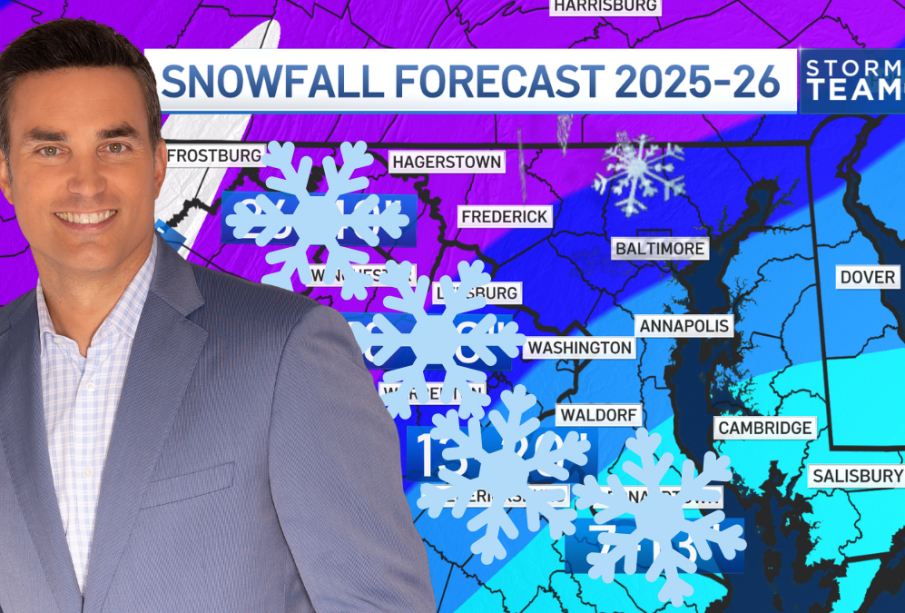
Introduction: Why the snowfall weather forecast matters
Snowfall can disrupt travel, impact utilities and affect day-to-day life across towns and cities. A clear snowfall weather forecast helps households, businesses and local authorities make timely decisions about travel, school openings and resources. Knowing how to interpret forecasts and their limitations reduces uncertainty and improves safety during winter weather.
Main body: What a snowfall weather forecast tells you
Types of information included
A typical snowfall weather forecast will include expected timing, accumulation ranges, temperature profiles and the probability of snow versus rain. Forecasters present data as numerical amounts (e.g. centimetres of snow), ranges to reflect uncertainty, and as probability or confidence levels to indicate how likely a particular outcome is.
How forecasts are produced
Forecasters use a combination of observations (ground reports, radar and satellite) and numerical weather prediction models. Models simulate the atmosphere using current conditions to forecast how weather will evolve. Forecasters blend model guidance with local knowledge—such as microclimates and elevation effects—to refine snowfall predictions.
Understanding uncertainty
Snowfall forecasts are inherently uncertain. Small changes in temperature or storm track can alter precipitation type and accumulations dramatically. Forecasters often use ensemble model outputs—multiple runs with slightly different starting conditions—to show a range of possible outcomes and help communicate risk.
Practical implications and actions
When a snowfall weather forecast indicates significant snow, plan ahead: check travel advisories, allow extra time for journeys, ensure heating and emergency supplies are available, and follow local authority instructions. For businesses and schools, consider contingency plans and remote working options if travel becomes unsafe.
Conclusion: What readers should take away
A snowfall weather forecast is a valuable tool for anticipating winter hazards, but it should be interpreted as guidance rather than certainty. Regularly check updates from official meteorological services, note the forecast confidence and prepare proportionately—particularly if the forecast shows a high probability of snow. Being informed and ready reduces disruption and keeps people safer during snowy conditions.





