Wuthering Heights Book: Why Brontë’s Novel Still Resonates
Introduction
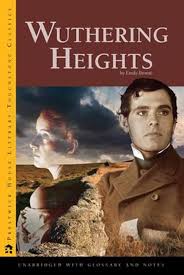
The Wuthering Heights book remains one of English literature’s most discussed and taught works. Its importance lies in the novel’s intense exploration of passion, social constraint and identity, and its continued relevance is evident in academic study, theatrical productions and popular adaptations. Nearly two centuries after its publication, readers and critics still debate its moral complexity and artistic innovations.
Main body
Publication and reception
Emily Brontë published the novel in 1847 under the male pseudonym “Ellis Bell”; it was the only novel she completed in her short life. Initially, reviews were mixed: some Victorian critics were unsettled by its moral ambiguity and stormy relationships, while others praised its originality. Over time the Wuthering Heights book moved from contentious work to canonical status, celebrated for its distinctive narrative structure and emotional intensity.
Themes and setting
Set on the Yorkshire moors, the novel centres on the intertwined lives of Heathcliff and Catherine Earnshaw, and extends across two generations to examine the consequences of obsession and revenge. Its landscape is almost a character in itself, shaping mood and action. Scholars highlight the book’s Gothic elements, its challenge to conventional Victorian morality and its complex narrative voice, which layers multiple perspectives and questions the reliability of memory.
Adaptations and cultural influence
The Wuthering Heights book has inspired numerous adaptations in film, theatre, radio and opera. Each retelling emphasises different aspects—romance, tragedy, social critique—demonstrating the text’s adaptability. Its language and themes continue to feature in curricula worldwide and inform contemporary discussions about class, gender and the nature of love.
Conclusion
As a literary work, the Wuthering Heights book endures because it resists easy categorisation and rewards repeated reading. For readers and cultural producers, its significance lies in the way it provokes questions rather than offering answers. Looking ahead, the novel is likely to remain a focal point for interpretation and adaptation, sustaining its place in literary study and public imagination.





