Southbank Centre reaffirms role as London’s cultural heart
Introduction: Why the Southbank Centre matters
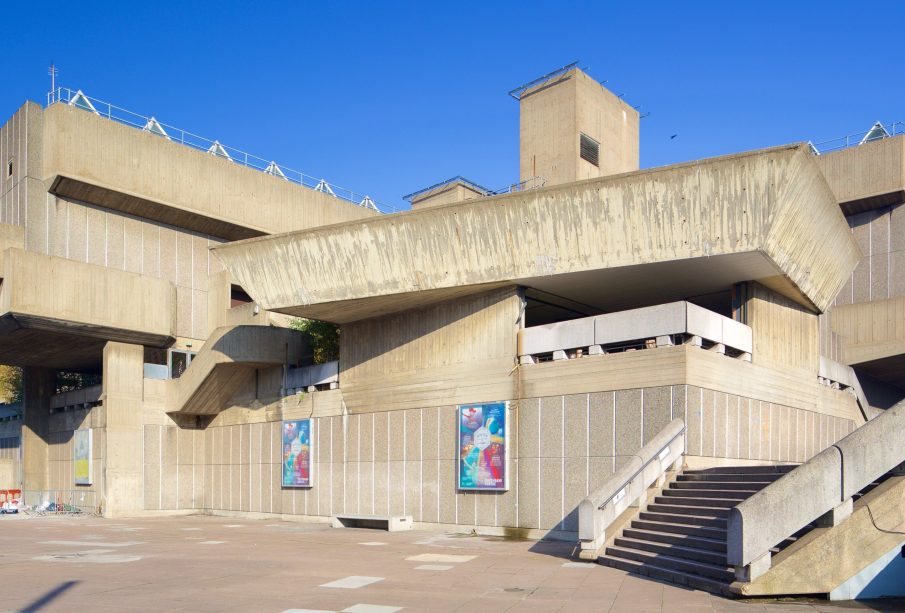
The Southbank Centre is one of the United Kingdom’s leading cultural institutions, occupying a prominent site on the south bank of the River Thames. Home to the Royal Festival Hall, Queen Elizabeth Hall and the Hayward Gallery, it functions as a major venue for music, visual arts and public events. Its programme and public spaces make it an important focal point for artists, audiences and communities across London, contributing to the city’s cultural economy and civic life.
Relevance today
As cultural organisations navigate shifting public habits, funding pressures and ambitions to broaden access, the Southbank Centre’s decisions about programming, partnerships and public engagement remain closely watched. Its visible riverside location and varied venues mean its activities have wide reach—shaping opportunities for both internationally renowned performers and grassroots community groups.
Main body: Events, activity and direction
The Southbank Centre stages a broad range of activity, from orchestral concerts and contemporary music to visual art exhibitions and multidisciplinary festivals. The Hayward Gallery is known for presenting major contemporary art shows, while the Royal Festival Hall hosts classical, jazz and popular music. The site also supports spoken-word events, family activities and community projects that aim to increase participation and representation.
In recent years the Centre has emphasised accessibility, learning and sustainability in its public-facing work, adapting its formats to reach new and existing audiences. Its combination of large-scale headline events and smaller community-led initiatives allows a diverse mix of artistic voices to be presented across its venues. The Southbank Centre also acts as a testing ground for new commissions, cross-arts collaborations and site-specific projects that respond to London’s changing cultural landscape.
Operational and civic role
Beyond programming, the institution plays a civic role through its public spaces, outdoor walkways and year-round calendar of free and ticketed events. It provides a platform for cultural discussion and contributes to the vitality of the South Bank as a visitor destination and local amenity.
Conclusion: Significance and outlook
Looking ahead, the Southbank Centre is likely to remain central to London’s recovery and future cultural planning, balancing headline commissions with inclusive programmes that broaden participation. For readers, its continuing activity offers opportunities to experience leading artistic work, take part in community projects and observe how major cultural institutions evolve to meet contemporary social and environmental priorities.





