What Is Phishing: How It Works and How to Protect Yourself
Introduction: Why understanding phishing matters
Phishing is one of the most common forms of cybercrime and a major threat to individuals, businesses and public services. Understanding what is phishing is essential because these attacks exploit trust and routine behaviours to steal data, money or access to systems. As online communication increases, so does the relevance of recognising and defending against phishing.
Main body: How phishing works and common forms
Basic mechanics
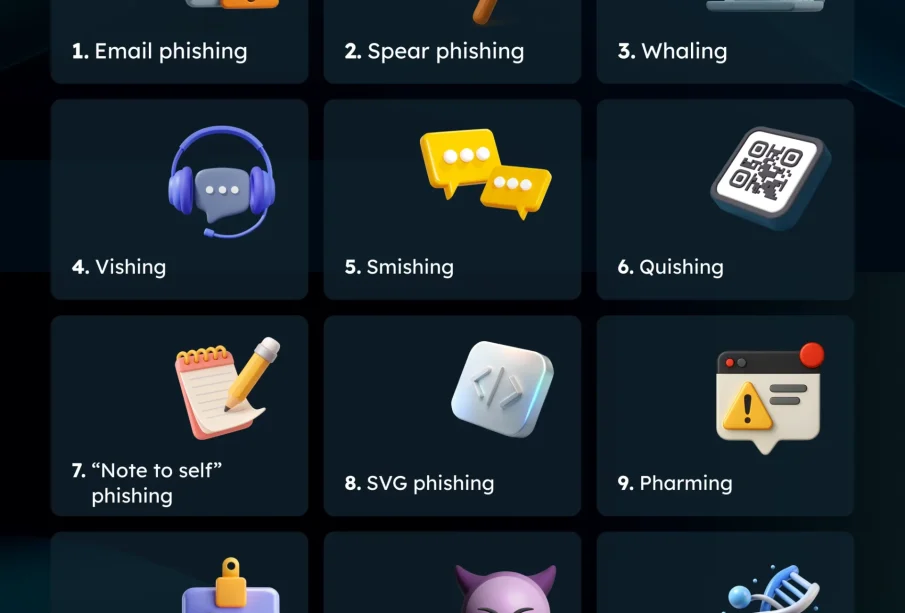
At its core, phishing is a social‑engineering technique in which an attacker impersonates a trusted entity—such as a bank, employer or popular service—to trick a target into revealing sensitive information or taking an action. This is typically done through emails, text messages (smishing), voice calls (vishing) or forged websites designed to look legitimate.
Common indicators of an attack
Phishing messages often contain urgent language, unexpected requests, spelling or formatting errors, or links and attachments that prompt immediate action. They may use familiar logos and branding to appear authentic. Scammers can also personalize messages using publicly available information to increase believability.
Variants and evolving tactics
Beyond basic email scams, attackers use targeted ‘spear‑phishing’ aimed at specific individuals, and ‘whaling’ aimed at senior executives. More recently, attackers employ automated tools and synthetic content—such as AI‑generated text or deepfake audio—to craft more convincing lures. Many attacks combine technical exploits (like credential harvesting forms) with human deception.
Prevention: Practical steps for protection
Organisations and individuals should adopt layered defences. Recommendations include: enable multi‑factor authentication (MFA) on accounts; verify unexpected requests through a separate channel; hover over links before clicking; keep software and security tools up to date; and provide regular training to recognise scams. Email filters and domain authentication protocols (such as DMARC) help reduce incoming phishing attempts at scale.
Conclusion: Outlook and significance
Phishing will remain a persistent cyber threat because it targets human behaviour rather than technical vulnerabilities alone. Awareness, cautious online habits and strong authentication reduce risk, but organisations must continue to invest in detection and employee education. For readers, staying informed and sceptical of unsolicited requests is the most effective immediate defence against phishing.