Intermittent Fasting for Weight Loss: What the Public Needs to Know
Introduction: Why intermittent fasting weight loss matters
Intermittent fasting and weight loss have become prominent topics in public health discussions and popular media. Interest stems from the simplicity of timing-based approaches compared with traditional diets and from many people seeking sustainable ways to manage body weight. Understanding the potential benefits, practical approaches and safety considerations is important for readers considering intermittent fasting as part of their lifestyle.
Main body
What is intermittent fasting?
Intermittent fasting refers to eating patterns that alternate between periods of eating and periods of little or no caloric intake. Rather than specifying which foods to eat, these approaches focus on when food is consumed. Common formats include restricting daily eating windows or having days with markedly reduced intake.
How it can relate to weight loss
Weight loss associated with intermittent fasting typically arises from reduced overall energy intake and changes in eating rhythms. By shortening the time available to eat, some people naturally consume fewer calories. Additionally, changes in meal timing may influence appetite cues and routine behaviours tied to snacking.
Common methods and practical considerations
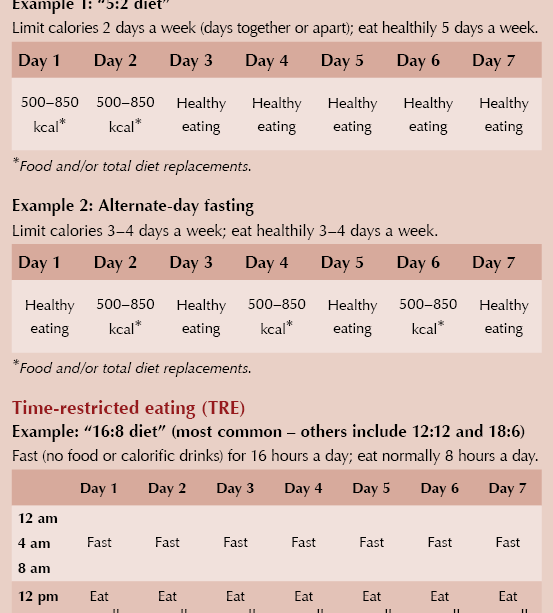
People choose different fasting schedules to fit personal routines. Examples include daily time‑restricted eating and alternate‑day patterns. Practical success often depends on selecting a method that fits work, family life and social commitments, and on focusing on nutrient‑dense foods during eating periods. Hydration, adequate sleep and gradual adjustment can help adherence.
Safety and who should seek advice
Intermittent fasting is not suitable for everyone. Individuals who are pregnant or breastfeeding, people with a history of eating disorders, children and some people with chronic medical conditions should seek professional medical advice before starting. Those on medication that affects blood sugar, for example, may require monitoring or dose adjustments. Listening to one’s body and consulting a healthcare professional are prudent steps.
Conclusion: Outlook and significance for readers
Intermittent fasting weight loss remains an accessible, behaviour‑based option for some people aiming to manage weight. Its effectiveness varies by individual and depends on overall diet quality and lifestyle. As interest continues, readers should weigh potential benefits against personal health needs, seek tailored guidance where appropriate and consider intermittent fasting as one of several tools within a broader, sustainable approach to healthy living.





